Azerbaijan.US
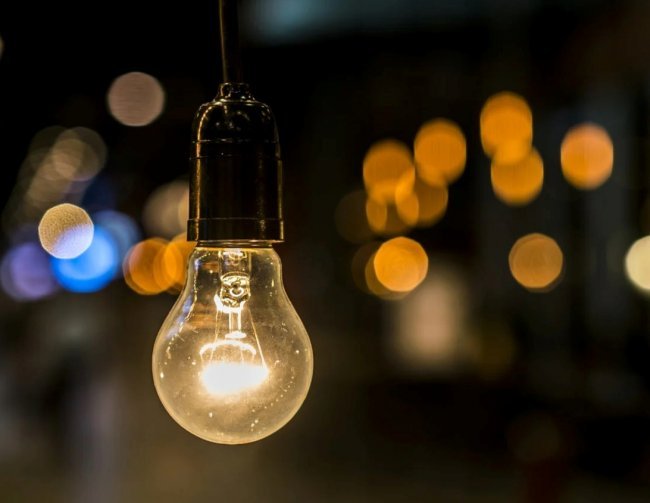
Azerbaijan has begun a gradual phase-out of traditional incandescent light bulbs as part of a broader effort to reduce energy consumption, improve safety and limit environmental impact.
Under the new rules, the import, production and sale of incandescent bulbs rated at 60 watts and above have been banned since Jan. 1, 2026. A second stage will take effect in July 2026, extending the ban to bulbs in the 25–60 watt range. The measures align Azerbaijan with long-standing international practices already implemented in the European Union and several other countries.
Why incandescent bulbs are being phased out
Energy specialists say incandescent bulbs are highly inefficient, converting most of the electricity they consume into heat rather than light. This leads to higher household electricity bills and increased strain on power grids.
According to data from the Energy Ministry, a single incandescent bulb can consume up to 900 kilowatt-hours (kWh) of electricity over its service life. A comparable LED bulb uses about 105 kWh, delivering the same level of lighting with far lower energy demand.
In monetary terms, this means an incandescent bulb can cost households around 75-76 manats in electricity, while an LED bulb costs approximately 8-9 manats over a similar usage period.
Safety concerns are another factor. Incandescent bulbs generate significant heat, increasing the risk of short circuits and fire hazards, particularly in older buildings with outdated wiring.
Health and environmental considerations
Experts also point to health-related drawbacks. Incandescent bulbs have a relatively high light flicker rate – up to 13%, which can contribute to eye strain and fatigue. LED bulbs typically have a flicker rate of around 1%, making them more comfortable for long-term use.
From an environmental standpoint, LED bulbs are considered safer. They do not contain mercury or other toxic substances, produce less heat and have a much longer lifespan, reducing waste.
What this means for consumers
The phase-out does not mean households must immediately discard existing incandescent bulbs. Consumers may continue using them until they burn out. However, once current stocks are depleted, replacing them with new incandescent bulbs will no longer be possible.
As a result, LED lighting will become the default option for homes, offices and public spaces.
Practical recommendations for households
1. Choose the right LED color temperature
For living rooms and bedrooms, experts recommend warm white LEDs (2700–3000K), which closely resemble the soft light of incandescent bulbs. For kitchens, workspaces and bathrooms, neutral or cool white LEDs (4000–5000K) may be more suitable.
2. Check brightness, not watts
When buying LEDs, look at lumens, not watts. For example:
800 lumens ≈ traditional 60W bulb
450 lumens ≈ traditional 40W bulb
3. Avoid low-quality products
Consumers are advised to choose certified LED bulbs from reputable brands to ensure stable light output, low flicker and longer lifespan.
4. Replace gradually
To spread costs, households can replace incandescent bulbs room by room, prioritizing areas where lights are used most often, such as kitchens and living rooms.
5. Consider long-term savings
Although LED bulbs may cost more upfront, their long lifespan – often up to seven years – and low energy consumption make them significantly cheaper over time.
International context
Azerbaijan’s decision follows global trends. The European Union began phasing out incandescent bulbs in 2009, completing the process by 2012. Similar bans are in place in Australia, the United States and the Philippines, among others.
The bigger picture
Officials say the transition to LED lighting is part of a wider strategy to modernize energy consumption, reduce household expenses and improve environmental sustainability.
For consumers, the shift means lower electricity bills, safer lighting and longer-lasting products – provided they make informed choices during the transition.