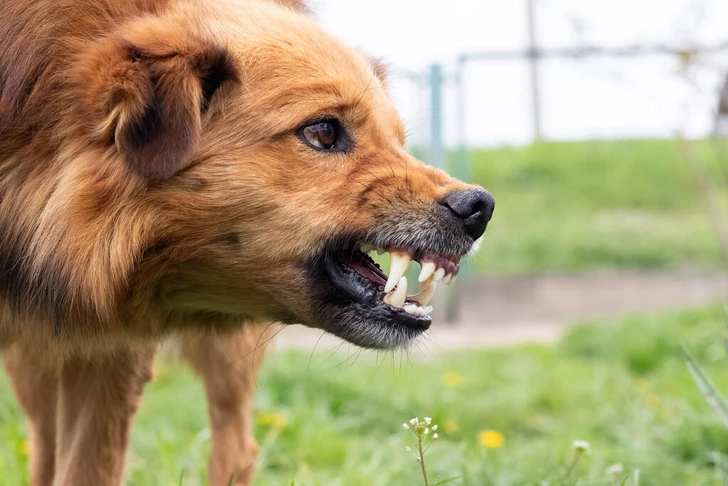
BAKU, July 16 — Dr. Aytakin Gurbanova, head of the Department of Especially Dangerous Infections at Azerbaijan’s Republican Center for Hygiene and Epidemiology, has issued a public call for immediate medical response and post-exposure rabies vaccination following any animal bite, regardless of the victim’s age.
Speaking in a live broadcast on the Health Ministry’s official Instagram page, Dr. Gurbanova warned that rabies remains a fatal viral disease if untreated and emphasized that vaccination is the only effective post-exposure prevention.
Rabies: Still a Deadly Threat
Rabies is 100% fatal once clinical symptoms appear, yet entirely preventable if addressed swiftly after exposure. The virus is most commonly transmitted through bites or scratches from infected animals—primarily stray dogs and cats in urban areas, but also foxes, bats, and other wildlife in rural settings.
Gurbanova noted that in high-risk bite locations—such as the head, neck, or hands—or if the biting animal is confirmed rabid, the standard rabies vaccine is supplemented with rabies immunoglobulin (RIG) to provide immediate passive immunity. In addition, patients are also administered tetanus toxoid (TT) if their immunization history is incomplete.
Treatment Depends on the Animal’s Status
The treatment protocol is determined by the status and behavior of the biting animal:
Conditional (observation-based) course: If the animal is known and survives for 10 days post-bite, the vaccination course is often limited.
Unconditional (full) course: If the animal is unknown, disappears, or dies within 10 days, a complete vaccination and RIG treatment is applied.
Rabies Vaccination Schedule
There are two primary post-exposure treatment schedules used in Azerbaijan:
1. Traditional Protocol (3-dose)
Days 0, 3, and 7 after the bite
Applied in cases with low risk or when the animal is under observation
2. Expanded Protocol (5-dose)
Days 0, 3, 7, 14, and 28
Used in uncontrolled or high-risk cases
All injections are administered intramuscularly
Critical Gaps and Public Responsibility
While Azerbaijan provides free rabies post-exposure prophylaxis (PEP) under the national health system, medical professionals stress that many bite victims delay treatment, either due to lack of awareness or stigma. Dr. Gurbanova reiterated that every hour matters in preventing the onset of symptoms.
Health experts warn of growing risks from unvaccinated stray animal populations, especially in urban peripheries and during warmer months when outdoor activity increases. Calls for stricter stray animal control, more public awareness campaigns, and improved coordination between veterinary and human health services are growing.

