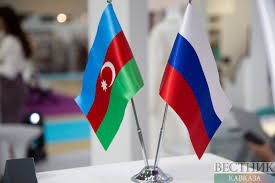
Baku, July 11 – Azerbaijan’s Minister of Science and Education, Emin Amrullayev, has stated that the closure of Russian-language sectors in the country’s schools is not under consideration, despite ongoing debates around language policy and integration.
Speaking at the “Certification 2025: Professional Teachers – Quality Education” event, the minister addressed concerns about the shortage of qualified Russian-language teachers, describing the issue as a practical challenge, not a political stance.
“Regardless of the sector, our priority is to ensure that all students are proficient in the Azerbaijani language,” Amrullayev emphasized. “When a student receives education funded by the state, we have the right to expect fluency in the state language.”
Stay Ahead with Azerbaijan.usGet exclusive translations, top stories, and analysis — straight to your inbox.
Declining Talent Pool for Russian-Language Sector
The minister acknowledged that average test scores for applicants seeking teaching roles in the Russian-language sector are significantly lower than those in the Azerbaijani-language stream.
“Applicants to Russian-language teaching positions average 50–60 points,” he said, “whereas candidates for Azerbaijani-language positions often score above 80. Due to the lack of alternatives, we are forced to hire candidates with lower performance.”
This admission highlights a growing structural issue: as demand for education in Russian persists in parts of Azerbaijan, particularly urban centers like Baku, the supply of competent instructors is drying up.
Background and Broader Implications
Russian remains a widely spoken language in Azerbaijan, a legacy of its Soviet past, and many families continue to prefer the Russian curriculum for perceived academic and international advantages. However, the government has intensified efforts to prioritize Azerbaijani language proficiency, especially in state-funded institutions.
While the ministry insists there is no political agenda to phase out Russian-language education, the decline in teacher quality and availability may lead to a gradual erosion of these programs.
Observers note that without a deliberate strategy to invest in and attract talent for the Russian sector, the system may face de facto contraction, regardless of official intent.

