Baku, September 30, 2025
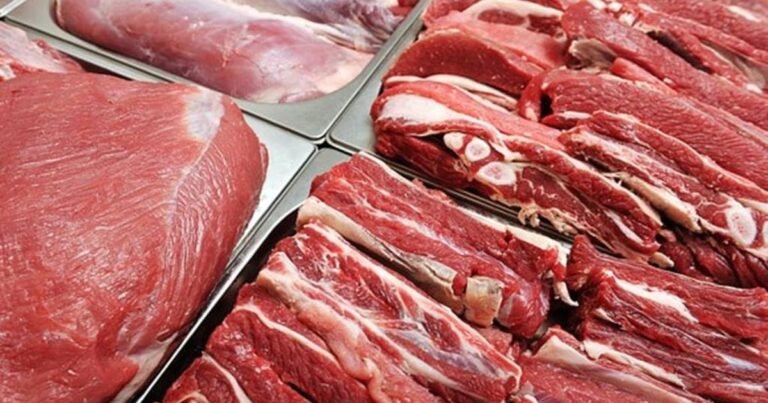
The government has tightened rules on the sale of meat and animal products in Azerbaijan. From now on, all meat, poultry, carcasses, and related products must undergo veterinary examination and be marked with an official stamp before they can be sold.
The decision, signed by Prime Minister Ali Asadov, amends the regulation on “marking products that meet veterinary standards” and requires an expertise act or veterinary stamp to authorize sales. Inspections will be carried out by registered veterinary specialists working in production-control units of enterprises and institutions, under the oversight of the Food Safety Agency.
Implementation Challenges
Economist Akif Nasirli, head of the Liberal Economists Center, told Bizim.Media that the reform is achievable but will require both administrative and practical measures.
“If this requirement is fixed in law, then all meat products must pass veterinary examination and only stamped products will be allowed for sale. That means public monitoring and a fine mechanism must also be put in place,” he said.
According to Nasirli, large cities and towns already have slaughterhouses and laboratories where veterinary experts can conduct the stamping process. But rural areas pose a challenge. “In villages, animals are often slaughtered at home and sold at local markets. For this to work, mobile veterinary brigades or an expanded network of official slaughterhouses will be needed,” he noted.
Risks and Safeguards
The expert also warned about the risk of stamp forgery.
“Special protective marks must be introduced. At the same time, the number of veterinary inspectors must be increased, along with better logistics. If the rollout is gradual, the system can be fully implemented in 3–5 years. But if applied nationwide immediately, it could face resistance and serious difficulties in rural and informal markets,” he said.
Nasirli added that for the policy to succeed, Azerbaijan will need to expand slaughterhouse capacity, increase the number of regional laboratories, introduce anti-forgery technology for stamps, and strengthen administrative control and penalties.