Azerbaijan.US
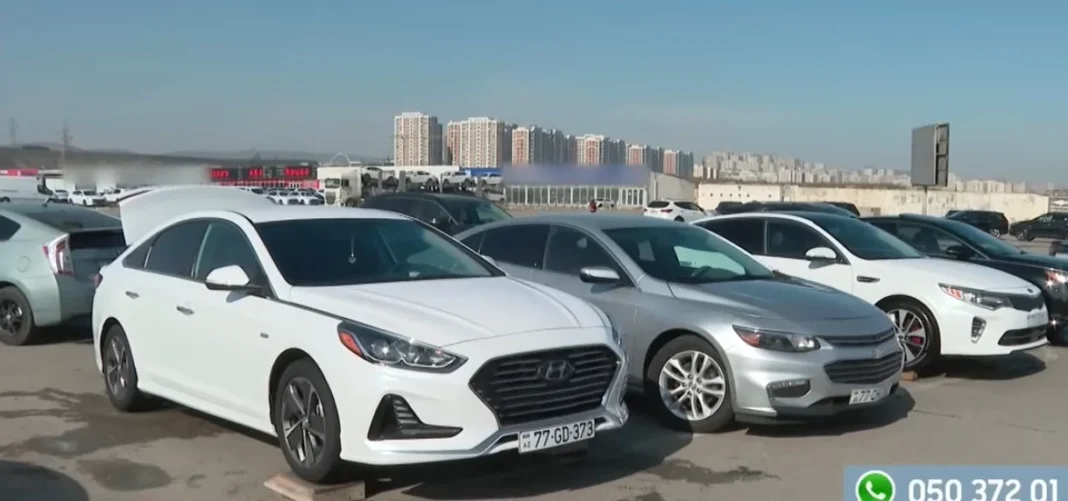
A visible slowdown has taken hold of Azerbaijan’s automotive market. Sellers complain about a lack of customers, while buyers say prices have climbed beyond what they are willing – or able – to pay. Even on weekends, traditionally the most active period, car markets remain unusually quiet.
Market participants note that people still come to browse, compare models, and ask about prices, but actual purchases have become rare. The gap between expectations on both sides continues to widen.
Prices remain elevated despite weak demand. Entry-level vehicles currently start at around 11,000 manats, depending on condition and technical specifications. Most of these cars are traditional gasoline or diesel models imported from Germany, the United States, and South Korea.
Chinese-made vehicles, which flooded the market last year and were initially met with strong demand, are now losing ground. Sellers report growing buyer caution due to technical issues and difficulties sourcing spare parts. As a result, many consumers are returning to more familiar brands, even if they are older.
At the same time, prices for Chinese cars have also increased. A rise in customs-related costs has pushed prices up by 400–500 manats on average, further limiting affordability. The increase has not significantly boosted sales, but it has reinforced buyer hesitation.
Experts point out that seasonality plays a role. January is typically the weakest month across many sectors, as household budgets shrink after year-end expenses. However, structural factors are also at work. Many potential buyers are deliberately postponing purchases, expecting that an oversupplied market will eventually force prices down.
Another factor is last year’s heavy import volume. With a large number of vehicles already brought into the country, demand is gradually shifting toward the domestic resale market, where buyers hope to negotiate better deals directly with private owners.
Ironically, current stagnation may signal not a price decline, but a possible increase in the months ahead. If sellers reduce supply while costs continue to rise, the market could reverse course. For now, however, both sides remain locked in a waiting game – with cars on display and wallets firmly closed.

