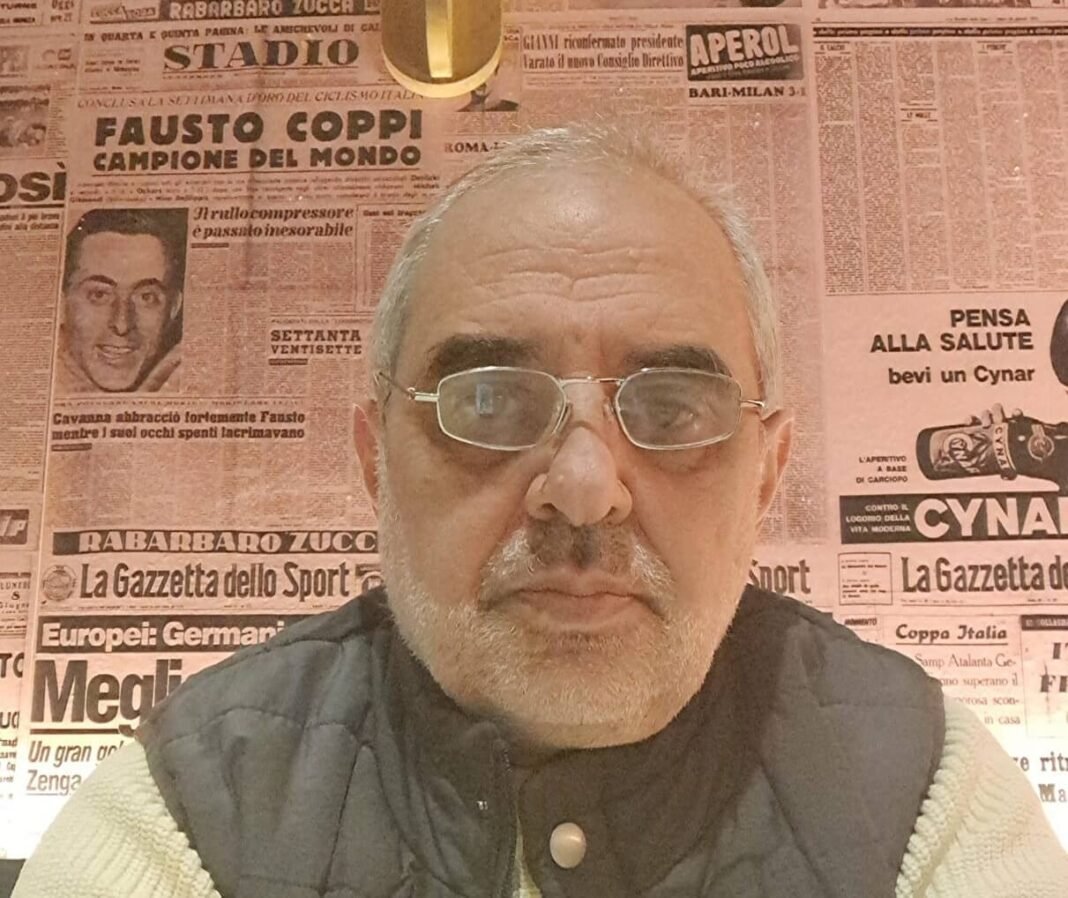
Kyiv/Yerevan, September 2025
In an interview with the YouTube channel Daily Europe Online, Armenian jurist and civic activist Aram Mkrtchyan sharply criticized Prime Minister Nikol Pashinyan’s handling of border recognition, national symbolism, and the peace agenda with Azerbaijan.
Khankendi Incident
Commenting on the recent incident in Khankendi, Mkrtchyan questioned the official narrative, suggesting the event appeared “stage-managed.” He pointed to extensive video surveillance of the attacker and asked why authorities did not intervene earlier if they were monitoring him so closely.
Borders and the Alma-Ata Declaration
Mkrtchyan rejected Pashinyan’s reliance on the 1991 Alma-Ata Declaration as the basis for recognizing Azerbaijan’s territorial integrity. He argued that Armenia should instead rely on the legal framework of 1918–1921 treaties with Russia and Turkey, which, in his view, provide a stronger foundation in international law. He insisted that grounding Armenia’s position in Soviet-era borders amounts to accepting the “rule of force” rather than the “rule of law.”
National Symbols
Mkrtchyan also criticized the Armenian government’s decision to remove the image of Mount Ararat (Ağrı Dağı) from state border stamps, calling it a symbolic retreat. He said that the name “Ararat” is recognized globally in both religious and cultural traditions and that altering it undermines Armenia’s historic identity.
Peace Agenda
The activist disputed Pashinyan’s claim that recognizing Azerbaijan’s borders strengthens Armenia’s security by opening the way to arms purchases and foreign investment. He argued that such concessions must be paired with reciprocal guarantees, including the restoration of civil, property, and movement rights for displaced Armenians, as well as reciprocal rights for Azerbaijanis. Mkrtchyan described this approach as a necessary “zero-option” settlement.
Lack of Protests in Armenia
Asked why there has been little public protest against Pashinyan’s policies, Mkrtchyan pointed to what he described as a clan-based system in Armenia. According to him, elites prioritize protecting their assets, while much of the civic-minded population has emigrated.
Conclusion
In the interview, Mkrtchyan argued that Armenia’s leadership is pursuing a course of symbolic and legal concessions that may undermine the country’s long-term position. He urged a return to historical legal frameworks and stronger defense of national symbols and rights.

