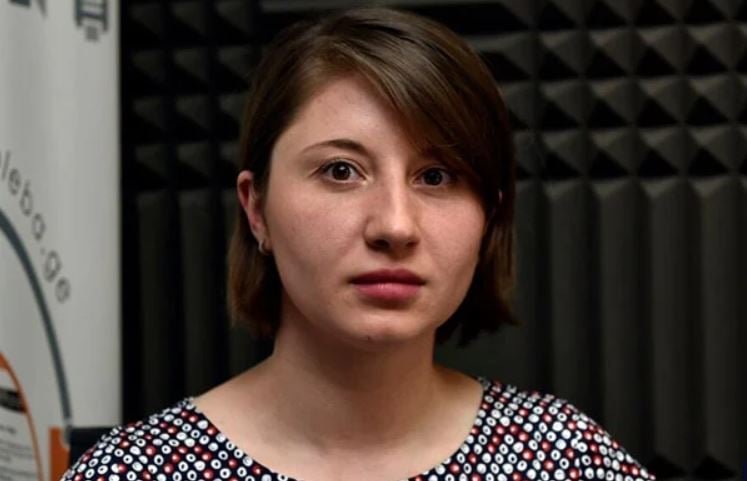
Armenian security analyst Olesya Vartanyan says on Carnegie Politika’s YouTube channel that Azerbaijan’s President Ilham Aliyev achieved his core objective in a 10-month standoff with Moscow after Vladimir Putin publicly acknowledged Russia’s responsibility for the December 2024 AZAL flight incident during their meeting on October 9.
Vartanyan argues that Baku consistently pushed for three points – admission of responsibility, punishment of those at fault, and compensation – and secured the first, crucial piece: a statement from Russia’s top official, captured on camera and in the meeting transcript. While Putin framed the shootdown as an “error” amid Ukrainian drone activity and emphasized technical details of the air-defense system, Vartanyan notes the political meaning is clear: Russia accepted blame.
She adds that the concession caps a period of mutual pressure tactics: anti-Azerbaijani detentions and rhetoric in Russia, mirrored by arrests and media pushback in Azerbaijan. Despite tensions, trade ties held and neither side escalated economically – a sign, she says, that both wanted to avoid a strategic rupture.
Looking ahead, Vartanyan expects Moscow–Baku dialogue to resume on a wider agenda: Caspian energy, Ukraine-related sensitivities, and Azerbaijan’s ties with Turkey, Israel, and Europe. She also highlights Baku’s drive to reset relations with the United States, with the Washington track helping both Armenia and Azerbaijan frame themselves as constructive partners.
On the Armenia–Azerbaijan peace process, Vartanyan calls the recent Washington understandings a milestone, but warns that decades of separation and distrust mean sustainable peace requires grassroots dividends-from open infrastructure and trade to daily-life improvements along the border. U.S. and EU roles could be pivotal, she says, if funding and political bandwidth materialize; Turkey’s position and a still-closed border remain key variables.