YEREVAN/MOSCOW, September 6, 2025
On the RUSARM INFO YouTube channel, three analysts offered contrasting takes on the shifting dynamics around Armenia, Azerbaijan, and the wider South Caucasus.
Iran’s pendulum politics
Political analyst Karine Gevorkyan said Tehran continues to send mixed signals over whether alleged drone attacks on Iran came from Azerbaijani territory.
“They play a game of cunning swings,” she remarked, describing how Iranian hardliners insist the strikes — and even the helicopter crash that killed former president Ebrahim Raisi — trace back to Azerbaijan, while reformist factions reject such claims.
Stay Ahead with Azerbaijan.usGet exclusive translations, top stories, and analysis — straight to your inbox.
Gevorkyan stressed that this internal split makes Iranian foreign policy unpredictable and fuels regional uncertainty.
Armenia’s Asian bet
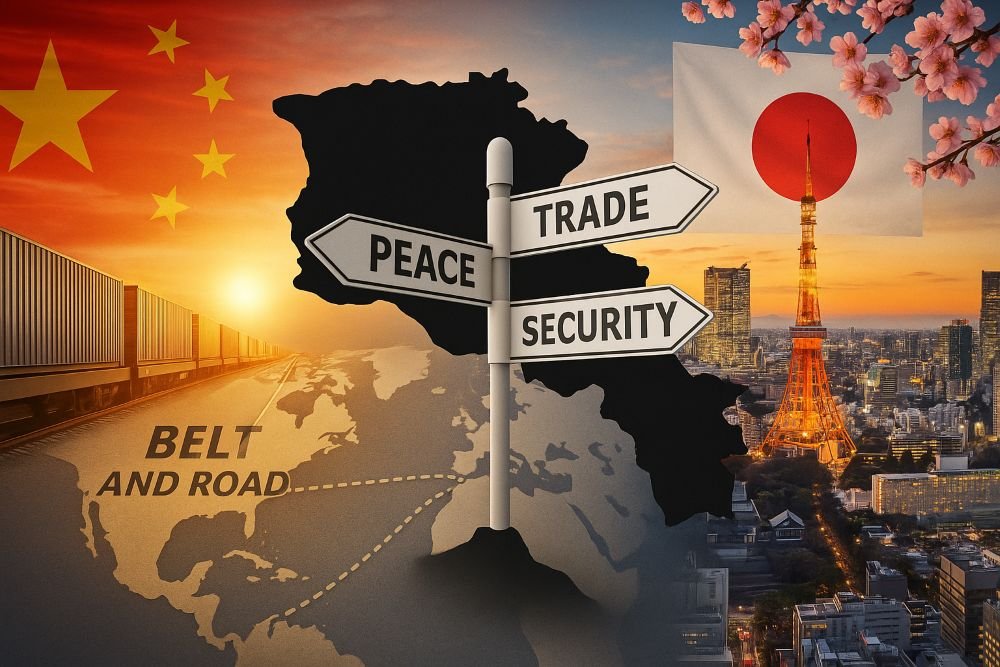
Commentator Konstantin Kalachey argued that Armenia is trying to diversify its external ties, particularly with China. Yerevan’s “Crossroads of Peace” initiative is being framed as complementary to Beijing’s Belt and Road strategy, with expectations of Chinese investment in solar energy, agriculture, and logistics infrastructure.
“China leads the world in renewable technologies and electric vehicles,” Kalachey noted.
He added that Armenia already has cultural links, with a Confucius Institute in Yerevan and growing interest in Mandarin among students.
Japan as economic stabilizer
Analyst Ivan Tselishev emphasized Japan’s traditional role as an economic partner rather than a political mediator.
“Tokyo is not strong in diplomacy or mediation, but it is very strong in economic development,” he explained.
Tselishev pointed to Japan’s long-running training programs for Armenian professionals in IT and governance, and suggested that future Japanese investment could target infrastructure, renewable energy, and human capital.
Balancing great powers
The three experts agreed that Armenia cannot afford to rely on one axis of support. Instead, they argued, Yerevan must pursue a multi-vector policy that balances ties with Washington, Beijing, and Tokyo while maintaining working relations in the region. Gevorkyan underscored the symbolism: “Aliyev is received as family both in Washington and Beijing. Why should Armenia settle for less?”
The discussion highlighted a common theme: regional states, facing pressure from Russia and Iran, are increasingly looking eastward for economic opportunities and diplomatic balance. Whether through China’s Belt and Road, Japan’s economic aid, or U.S. security assurances, Armenia is signaling that it wants to anchor itself in multiple directions rather than remain dependent on one power center.

