Abu Dhabi / Baku / Yerevan
On July 10, Azerbaijani President Ilham Aliyev and Armenian Prime Minister Nikol Pashinyan met in Abu Dhabi, the capital of the United Arab Emirates, for a high-stakes round of peace talks aimed at resolving long-standing tensions between the two South Caucasus neighbors.
The meeting began with expanded-format negotiations involving both countries’ delegations, followed by a closed-door one-on-one discussion between the two leaders. According to official statements, the talks focused on several critical issues: border delimitation, the opening and development of the Zangezur Corridor, progress toward the signing of a peace agreement, and other areas linked to normalizing bilateral relations.
Both sides agreed to continue direct contacts, including through specialized working groups and high-level meetings in the coming weeks.
A Regional Process Without Foreign Interference
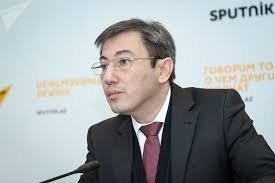
Commenting on the outcome of the meeting, political analyst Ilgar Velizade told Vesti.az that the most notable aspect of the Abu Dhabi talks was that they occurred without the involvement of third parties — including traditional power brokers like Russia or the collective West.
“This was a truly independent summit. There were no intermediaries, no international mediators. Just Azerbaijan and Armenia, meeting on neutral ground in the UAE,” Velizade said. “There have been rumors that external powers organized the meeting, but I believe that’s simply not true.”
Velizade noted that the choice of the UAE was strategic: both Azerbaijan and Armenia maintain strong diplomatic and economic ties with Abu Dhabi, making it a credible and mutually acceptable venue.
“The Emirates are among Armenia’s top five trading partners and could soon move into the top three,” he added. “Baku and Yerevan both have direct channels with the UAE, which made it possible to organize the meeting without pressure or influence from external sponsors.”
A Maturing Approach to Regional Peace
Velizade described the Abu Dhabi summit as a sign of growing political maturity and independence on both sides. Rather than relying on foreign powers to broker peace, Armenia and Azerbaijan are beginning to take ownership of the process themselves.
“Armenia is starting to recognize that its future lies in coexisting with Azerbaijan — not with distant allies,” he said. “The region doesn’t need symbolic photo ops anymore. It needs concrete steps: demining, transportation links, a signed peace treaty. We haven’t reached that point yet, but there’s hope that pragmatism will prevail — especially given how dangerous delay has become.”
U.S. Role: Limited and Behind the Scenes
The United States has voiced support for the ongoing talks. Secretary of State Marco Rubio recently expressed hope that a peace agreement could be finalized soon, and State Department spokesperson Temmi Bruce confirmed U.S. involvement in “some areas” — though she declined to provide details.
Velizade interpreted that ambiguity as evidence of a limited, advisory role rather than direct mediation.
“The U.S. may be offering technical advice or logistical support — there were earlier reports about American companies showing interest in Zangezur Corridor infrastructure,” he explained. “But foreign financing and oversight come with political strings. Once that happens, the helper becomes the controller — and that’s unacceptable.”
He stressed that the Zangezur Corridor must remain a regional project, shielded from external control, even by powerful states with strategic interests.
“It’s one thing to be consulted; it’s another to be directed. If the U.S. or any other partner respects regional sovereignty, their role can be constructive. But this summit wasn’t orchestrated from abroad. The decisions were made by the region’s own leaders. And that may be the most important sign of progress so far.”