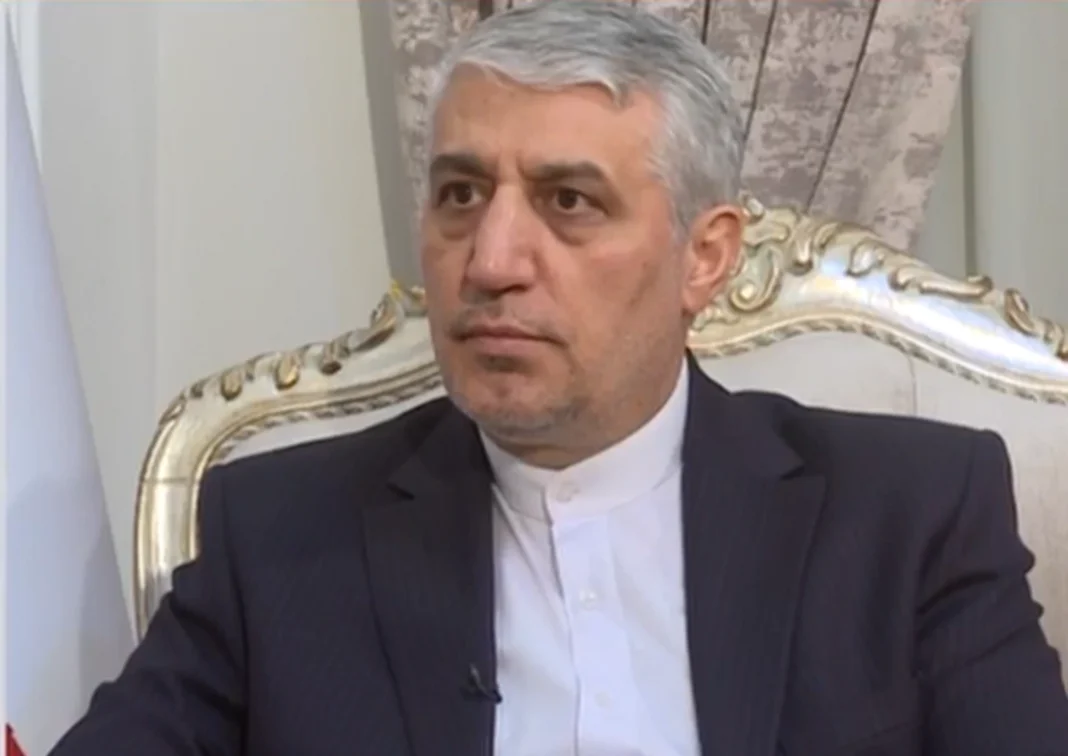
BAKU, August 30 — Iran’s freshly appointed ambassador to Azerbaijan, Mojtaba Demirchilu, has described April’s visit by President Masoud Pezeshkian as ushering in a “new chapter” in bilateral ties—particularly through expanded economic cooperation. His remarks came during an interview with Azerbaijan Television.
“President Pezeshkian visited Azerbaijan during a difficult internal period, yet came with a large delegation—signaling the importance of relations with Baku,” Demirchilu said. He added that post-visit, joint projects—especially in the economic domain—have noticeably accelerated.
The envoy also reaffirmed Tehran’s long-standing principle of regional problem-solving without external interference. He specifically cited the resolution of the Karabakh conflict:
“As long as external powers were involved, the Karabakh issue remained unsolved. Now, regional countries have handled it themselves—this should continue.”
Recent Strains in Azerbaijan–Iran Relations
Despite these optimistic statements, bilateral ties have been strained in recent years. Notable developments include:
January 2023 Embassy Attack
On January 27, 2023, a gunman attacked the Azerbaijani embassy in Tehran, killing its security chief and injuring two others. Iran called it a personal dispute; Azerbaijan deemed it a “terrorist act.” The aftermath saw both countries expel diplomats, and Azerbaijan temporarily suspended embassy operations. The attacker was executed in Iran in May 2025.Plot Against a Rabbi
In early 2025, Azerbaijan foiled an Iranian-directed assassination plot against Rabbi Shneor Segal. The State Security Service arrested operatives tied to Iran’s Quds Force.Border Drills and Deepening Distrust
Iran conducted military exercises near its border with Azerbaijan and held joint drills with Armenia—moves perceived by Baku as escalating regional tensions.US–Brokered Peace Corridor: A Flashpoint
The proposed U.S.-backed “Trump Corridor,” designed to connect Azerbaijan’s main territory to Nakhchivan via Armenia, has provoked strong opposition from Tehran. Iran warns it could destabilize regional equilibrium.
A Nuanced Reset—For Now
Demirchilu’s emphasis on self-sufficiency and regional dialogue signals a diplomatic reset. President Pezeshkian’s Baku visit, amid heated geopolitical context, paved the way for renewed collaboration.
Yet, the shadow of past incidents—assassination plots, embassy attacks, military posturing, and geostrategic competition—cannot be ignored. True normalization will require continued trust-building beyond ceremonial cordiality.