August 9, 2025 | Baku
With sexual content, violent scenes, and graphic images — sometimes involving minors — becoming increasingly common on social media, children in Azerbaijan are exposed to harmful material they cannot fully understand or protect themselves from. Many parents avoid discussing sexual topics, viewing them as uncomfortable, while in developed countries such as the U.S., Sweden, Finland, Germany, Canada, the Netherlands, and France, sex education has long been part of the curriculum from the early grades.
Psychologist Aydan Mamedova told Lent.az that victims of childhood sexual abuse often realize what happened only years later, in adulthood. Children, she explained, do not understand sexual acts committed against them, but the experience leaves deep psychological scars — shame, inner aggression, and hatred. In Muslim societies, especially in religious families, victims are more likely to hide the abuse.
Mamedova stressed that both girls and boys can be affected. For women, such trauma may lead to hostility toward men; for some men, it can result in same-sex attraction or, conversely, rejection. “The reaction to trauma is individual, but always destructive,” she said.

She believes sex education should start in the first grade, with parents teaching children of the same sex about body structure, personal boundaries, and the unacceptability of unwanted touch. Most abuse cases, she noted, occur not at the hands of strangers but within the circle of relatives or acquaintances. Children must therefore be taught to react — to scream, resist, and report any inappropriate contact to their parents.
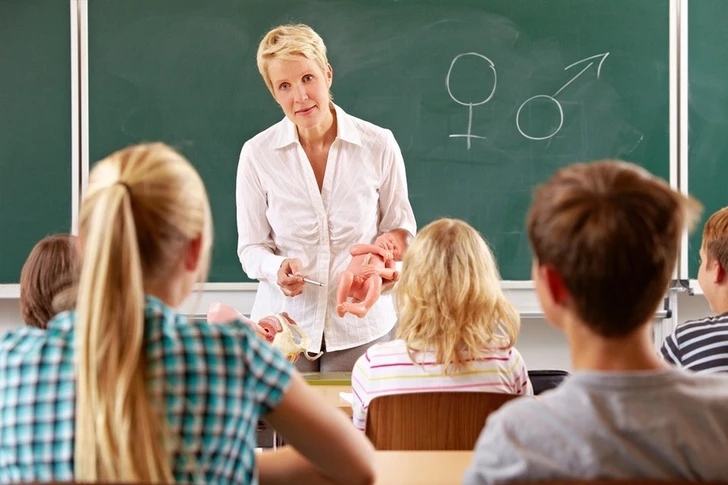
Mamedova also criticized gaps in school biology teaching, where the topic of sexual organs is either skipped or taught separately to boys and girls. She argued that adolescents should understand their bodies’ structure and functions to form a healthy self-image. When parents avoid answering questions, she warned, children turn to unsafe sources — often the internet — to find answers.

