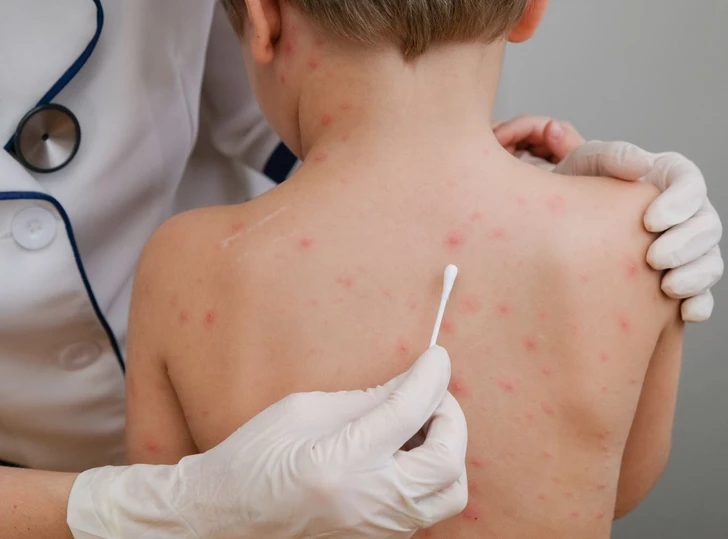
BAKU, July 16 — Azerbaijan has recorded a significant increase in chickenpox (varicella) cases in the first five months of 2025, according to official data released by the State Statistical Committee and reported by Media.Az. A total of 17,595 cases were registered nationwide—up from 15,406 during the same period last year.
Health officials attribute the sharpest rise to children and adolescents under 17, with cases increasing from 13,521 to 15,602 year-over-year.
Seasonal Factors and Post-Pandemic Immunity Gaps
The Republican Center for Hygiene and Epidemiology explains that chickenpox is seasonal, with outbreaks peaking in autumn and winter, when children spend more time indoors in poorly ventilated schools and daycare facilities.
Outbreak response protocols are in place:
Infected children are immediately isolated from their peers.
Classmates and close contacts are placed under epidemiological observation.
Schools are urged to ensure regular ventilation, surface disinfection, and hygiene education.
Expert Perspective: Causes, Complications, and Vaccine Protection
Infectious disease specialist Dr. Polina Aliyeva confirmed to Media.az that the current rise is linked to weakened herd immunity post-pandemic and lower vaccination coverage in recent years.
“We are seeing more severe cases in unvaccinated children,” Aliyeva noted, adding that environmental factors and year-round viral activity in certain regions may contribute to ongoing transmission even outside peak seasons.
Common Complications:
Children: skin infections (from scratching), respiratory issues (laryngitis, tracheitis), and ear infections (otitis media).
Adults: although complications are less frequent, they are often more serious, including viral or bacterial pneumonia, gastrointestinal inflammation, encephalitis, and meningoencephalitis. In rare cases, necrotic skin lesions may develop—especially in those with allergies or weakened immune systems.
High-risk groups include:
Pregnant women
Newborns
Individuals with HIV or immunodeficiencies
Vaccination: The Key to Prevention
According to Dr. Aliyeva, the chickenpox vaccine is 85–95% effective at preventing illness. Even if a vaccinated person becomes infected, symptoms are typically mild, with minimal rash and faster recovery.
She strongly recommends:
Routine childhood vaccination, especially for those attending school or daycare
Pre-pregnancy vaccination for women who’ve never had chickenpox
Avoiding aspirin during illness due to the risk of Reye’s syndrome, a rare but serious condition in children
Best Practices During Illness
Key precautions for infected individuals include:
Strict home isolation to prevent transmission
Monitoring temperature and energy levels
Treating the rash with antiseptics such as chlorhexidine or calamine lotion
Keeping nails short and using soft gloves at night to prevent scratching
Avoiding soaps and washcloths during bathing to protect sensitive skin
Immediate medical attention if symptoms like severe fatigue, headache, or breathing difficulty appear
In adults, additional bloodwork and infection testing may be required to monitor for complications.
“Many people delay seeing a doctor. But early treatment is critical to prevent complications and ensure a quick recovery,” Dr. Aliyeva stressed.