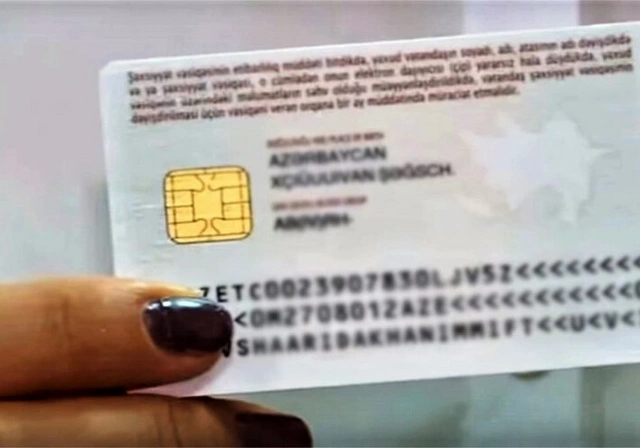
BAKU, July 13 — Azerbaijan is preparing to introduce key changes to its national identity cards, as parliament passed the first reading of a bill amending the law “On the Identity Card of a Citizen of the Republic of Azerbaijan.” The reform, once finalized, will add residential address and citizenship status to the printed section of ID cards — a shift that experts say could improve both legal transparency and international mobility.
The proposed changes are aligned with international ICAO standards and come amid growing reliance on biometric IDs as travel documents — especially for travel to Turkey, where Azerbaijanis can enter visa-free using their national ID.
Azerbaijan.us presents an article by “Kaspi” covering the debate and implications surrounding the reform.
Practical Fixes for Real-World Problems
MP Azər Allahverənov said the updates are driven by practical issues citizens face: “Currently, the ID does not display a residential address, which can create complications during cross-border travel and even within domestic bureaucracy,” he explained. “The reform proposes that this information be visibly printed, removing ambiguity.”
In addition, sensitive personal information — such as marital status, military service, and parental details — will be stored only in a secure, encrypted chip, accessible solely by authorized institutions through the state’s centralized database. This approach, lawmakers claim, strengthens data protection and curbs unauthorized access.
Changing Your Address? You’ll Have to Update Your ID
Under the proposed legislation, individuals who change their registered place of residence will be required to update their ID card accordingly — a move aimed at maintaining real-time accuracy across state databases. However, if citizens spot technical or factual errors on their card, they can request a correction without paying a state fee.
No Forced Replacement of Existing IDs
Despite the changes, the government will not require an immediate reissue of valid biometric cards. Citizens can continue to use their current ID until it expires, though they may opt for the updated version voluntarily at any time. “The update process will remain optional, except when the cardholder reaches the legal milestone ages of 25, 35, or 50, or in case of a change in address or family status,” said Allahverənov.
Aiming for Legal Clarity and Functionality
Legal expert Ruslan Vəliyev welcomed the proposal, noting that many institutions — especially at the municipal or international level — struggle to read chip-stored data due to outdated or incompatible scanners. “This causes delays in service and even legal ambiguity,” he said. “Making core information visible will streamline identity verification and help close gaps in public administration.”
Vəliyev also emphasized that some biometric ID cards are currently issued to individuals without formal citizenship, which creates confusion during court proceedings. “Stating citizenship status directly on the card ensures legal clarity and supports more transparent judicial outcomes, especially in migration and legal accountability matters.”
A Step Toward Smarter Governance
The reform is widely seen as part of Azerbaijan’s gradual shift toward digital governance and enhanced legal transparency. Proponents argue it will bring the country in line with international standards, while critics have cautioned about the administrative burden and the need for proper infrastructure.
Still, the core principle remains: strengthening identity security while improving access to government services — a foundational step in building public trust in state institutions.