The July 10 meeting between Azerbaijani President Ilham Aliyev and Armenian Prime Minister Nikol Pashinyan in Abu Dhabi may prove to be a pivotal moment on the path toward a long-anticipated peace agreement between the two countries.
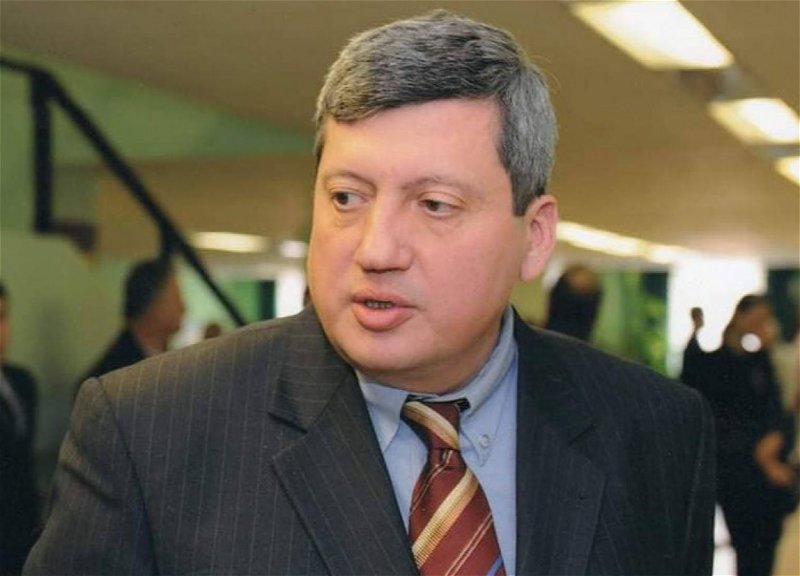
Former Azerbaijani Foreign Minister Tofig Zulfugarov, commenting on the outcome via his official Facebook page, outlined several key observations suggesting the beginning of a new phase in the peace process—one increasingly independent of Russian involvement and potentially shaped by other global powers.
Peace Deal Hinges on Armenian Constitutional Reform
According to Zulfugarov, while a framework peace agreement has already been effectively finalized, Azerbaijan remains firm on one critical precondition: the removal of territorial claims embedded in Armenia’s constitution. The final signing of the agreement, he argued, is contingent upon this amendment.
Zangezur Corridor Back in the Spotlight
Though the issue of regional transportation links—including the contentious Zangezur Corridor—was omitted from the text of the peace framework, it reportedly became the central topic during the bilateral talks in the UAE.
Russia’s Waning Role, and the Rise of New Players
Zulfugarov identified Russia’s failure—or unwillingness—to enforce Article 9 of the November 10, 2020, trilateral statement as a key source of tension between Baku and Moscow. This, he suggests, is leading both Armenia and Azerbaijan to consider involving a third-party guarantor—possibly the United States or Turkey—to oversee the corridor’s security and operational integrity.
Iran’s Objections Quieted?
The former minister also speculated that concerns previously voiced by Tehran—widely seen as “red lines” over Zangezur—may have been defused following behind-the-scenes negotiations between Washington and Tehran.
Toward a New Diplomatic Format
Zulfugarov clarified that the Abu Dhabi meeting was not the first Armenia-Azerbaijan summit held without Russian participation. However, he stressed that it was one of the first serious discussions on the future of the Zangezur Corridor to take place outside the scope of Russian control—signaling a shift in the diplomatic landscape.
A Conflict Returns to Its Origins
“If my analysis proves accurate, this meeting may well be historic,” he wrote. “The Armenia-Azerbaijan conflict is, in many ways, returning to its original point.” Zulfugarov referenced the displacement of ethnic Azerbaijanis from Kapan (Gafan) in late 1987 and the early targeting of Azerbaijan’s railway infrastructure in Meghri by Armenian nationalists as key historical markers.