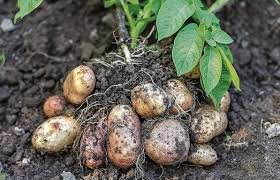
Tovuz, Azerbaijan — Potato farming, a cornerstone of the Tovuz region’s agricultural economy, is facing a difficult season as farmers grapple with shrinking harvests, lower selling prices, and soaring production costs.
This year’s potato harvest has already begun, but farmers report a notable drop in profitability. Compared to last year, the total planting area has shrunk by 1,000 hectares, reflecting growing discontent within the farming community.
High Costs, Low Returns
Farmers say they are forced to import seed potatoes at high prices, yet must sell their produce at just 40–45 gapik per kilogram, a price they say doesn’t even cover basic expenses. At the same time, consumers in urban markets are paying up to 2 manats per kilogram, a price gap that has sparked frustration on both ends of the supply chain.
“We’re buying seed for premium prices from abroad, but can’t make a return on what we grow,” said one farmer. “Meanwhile, the same potatoes are sold in the city for more than double what we’re paid.”
Yields Hit Hard
Producers also report a sharp decline in yields. Where a plot once produced up to 40 tons, this year’s output has dropped to about 25 tons per hectare. Farmers link this drop to the rising cost and shortage of quality seeds — many of which are now out of reach for smaller producers.
Split Opinions at the Market
In Baku’s marketplaces, sellers argue that prices are fair given transportation and storage costs. But consumers disagree, calling the prices “inflated” and out of sync with the declining farmgate rates.
Experts Urge Shift to Certified Seeds
Agricultural experts recommend that farmers switch to certified seed varieties, which are known for their higher yields, better disease resistance, and cost efficiency. Wider adoption, they say, could help restore both productivity and profitability in regions like Tovuz.
As the potato sector faces increasing pressure, farmers warn that without structural support or reform, many may be forced to abandon cultivation altogether — a move that could hurt both rural livelihoods and national food supply in the long term.