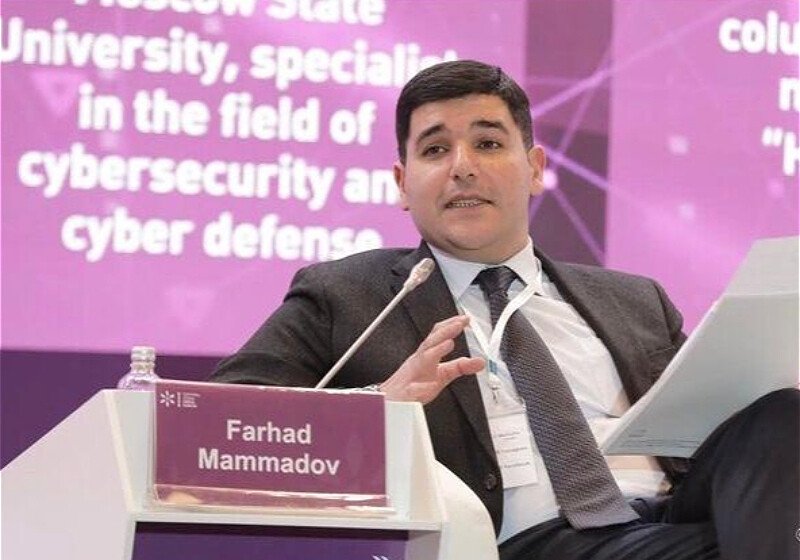
By Farhad Mammadov
The renewed diplomatic and political crisis between Azerbaijan and Russia has triggered a flood of information—often lacking clarity and stripped of broader context. Below is an attempt to structure the key dimensions and shed light on the root causes and developments.
I. Bilateral Context
At the core of the current tension lies the unresolved fallout from the downing of an Azerbaijani passenger plane by a Russian air defense missile in December 2024. The Kremlin’s inconsistent messaging and lack of accountability for the incident strained relations and ultimately halted high-level dialogue between the two countries.
Since then, Moscow’s posture toward Baku has oscillated between pressure and diplomacy, without establishing a coherent position. This ambiguity has led to a breakdown in trust, culminating in the violent arrests and deaths of Azerbaijani nationals in Yekaterinburg, which served as a major trigger for the deepening crisis.
Today, Russia seeks to contain the situation by limiting its scope to the Yekaterinburg incident, while Azerbaijan broadens the narrative, framing the tension within a larger arc beginning with the plane crash. Given the scale and nature of the crisis, localization is no longer feasible—future flare-ups are inevitable unless fundamental issues are addressed.
II. Regional Context
Russia’s simultaneous deteriorating ties with both Azerbaijan and Armenia have further strained its influence in the South Caucasus. Key losses include:
Closure of Rossotrudnichestvo and Sputnik’s Baku bureau.
Nationalization of Russian-owned electric utilities in Armenia.
Moscow’s remaining foothold lies in the unblocking of regional transport corridors, primarily in Armenia—though even here, negotiations have stalled. Alarmingly for Moscow, Armenia may extend its asset nationalization campaign to include Russian-controlled railways.
Efforts to engineer political alternatives to Armenian Prime Minister Nikol Pashinyan—led by figures such as Sergei Kiriyenko—have so far failed, encountering a harsh crackdown by Armenian authorities.
Meanwhile, Baku has made it clear that any Kremlin-backed political reversal in Armenia will be met with countermeasures. The anti-Azerbaijani rhetoric within Russia, including MP Sergey Mironov’s appeal to prosecute Azerbaijani diaspora networks and the Food City market, is also reportedly tied to Kiriyenko’s inner circle.
Thus, any Russian attempt at reshaping the regional political order not only clashes with Azerbaijani interests but risks escalating instability across the Caucasus.
III. Domestic Contexts
In Russia, the crisis is fueled by rising anti-migrant sentiment, where Central Asian and South Caucasian workers are being scapegoated for Russia’s domestic woes—despite contributing to the economy and not participating in the Ukraine war. This narrative is strategically pushed by influential elites, including Kiriyenko, Alexander Bastrykin, and factions within the FSB.
This wave of xenophobia serves a dual purpose: shifting blame away from governance failures and triggering property and power redistribution among Moscow’s political elite.
In Azerbaijan, the internal message is clear: foreign influence is being rolled back, visibly and decisively. While relations with Moscow remain important, Baku prioritizes national sovereignty and internal stability over external partnerships.
Conclusion
The Azerbaijan–Russia standoff is homegrown, not externally manufactured, though outside players are exploiting it for strategic gain. What began as a tragic accident has evolved into a multi-front crisis—with diplomatic, regional, and domestic reverberations.
Both nations now stand at a crossroads: either de-escalate with mutual recognition of losses or prepare for a long and unpredictable fallout. Either way, the South Caucasus’ geopolitical map may soon look very different.