Azerbaijan.US
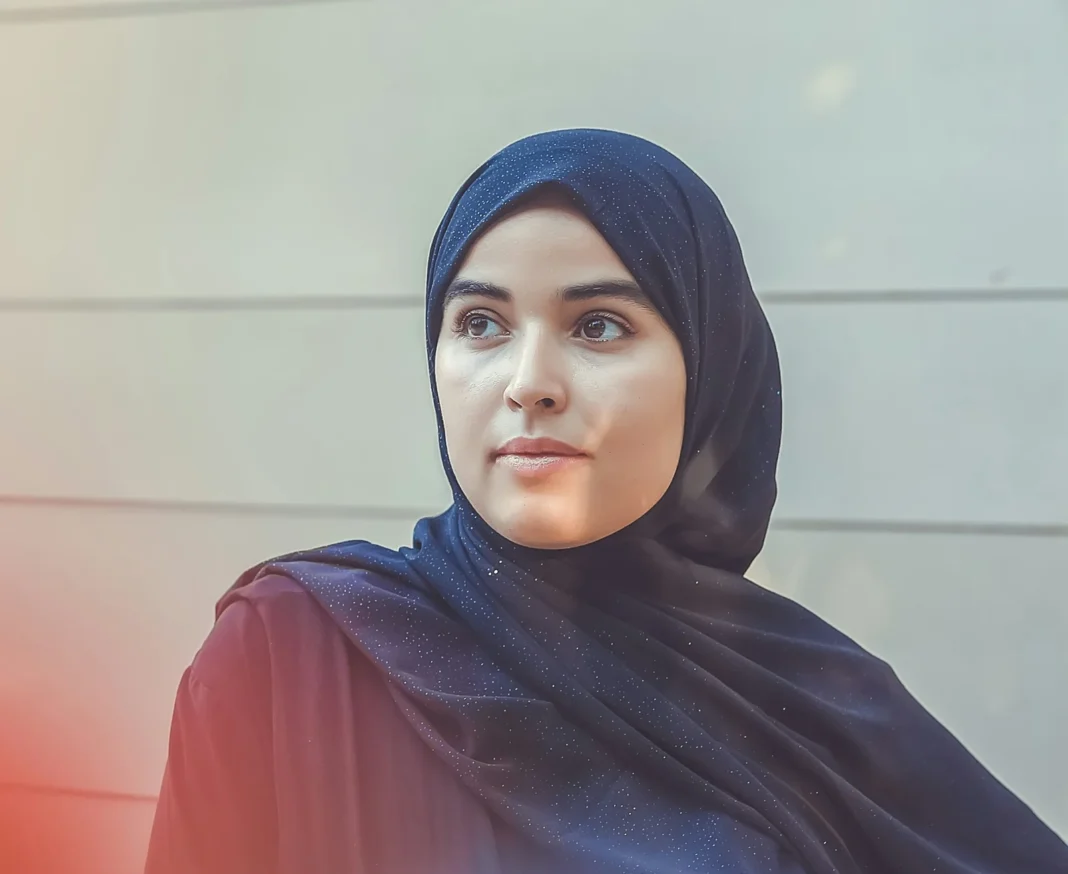
A public debate has flared up in Azerbaijan over whether a teacher who refuses to remove a hijab should be allowed to continue working in a school, reigniting broader questions about secular education, personal freedoms, and the limits of religious expression in public institutions.
Supporters of a strict secular approach argue that schools must remain ideologically neutral spaces, free from religious, political, or other forms of influence. From this perspective, a teacher’s role is limited to instruction and education, and any visible expression of personal beliefs-religious or otherwise-risks blurring that boundary.
Others counter that wearing a hijab is a matter of personal choice and dress, not religious propaganda. They warn that forcing a teacher to remove it, or dismissing them for refusing to do so, could amount to a violation of fundamental rights, including freedom of religion and personal dignity.
Experts involved in the discussion stress that the core issue is not faith itself, but behavior in the classroom. A teacher, they say, should not promote religious views, challenge scientific curricula on theological grounds, or attempt to influence students’ beliefs-just as they should not promote atheism or any other ideology.
The debate has also expanded to include school dress standards more broadly. Some participants argue that neutral dress codes or basic uniform guidelines could help reduce social pressure and inequality among students, while still respecting individual freedoms. Others caution against overly rigid rules that may deepen social tensions.
Special attention is being paid to younger students. Critics of visible religious symbols in primary and secondary schools argue that children may be subject to parental pressure before they are able to form independent views, raising ethical concerns about consent and autonomy.
Despite sharp differences, there is broad agreement on one point: schools should focus on education, not ideological struggle. Analysts say the issue cannot be resolved through emotional reactions or blanket bans, but requires clear regulations, professional standards, and open dialogue.
As the discussion continues, the case has become a reflection of a wider challenge facing Azerbaijani society-how to balance secular principles with respect for individual choice in an increasingly diverse and sensitive social environment.