Azerbaijan.US
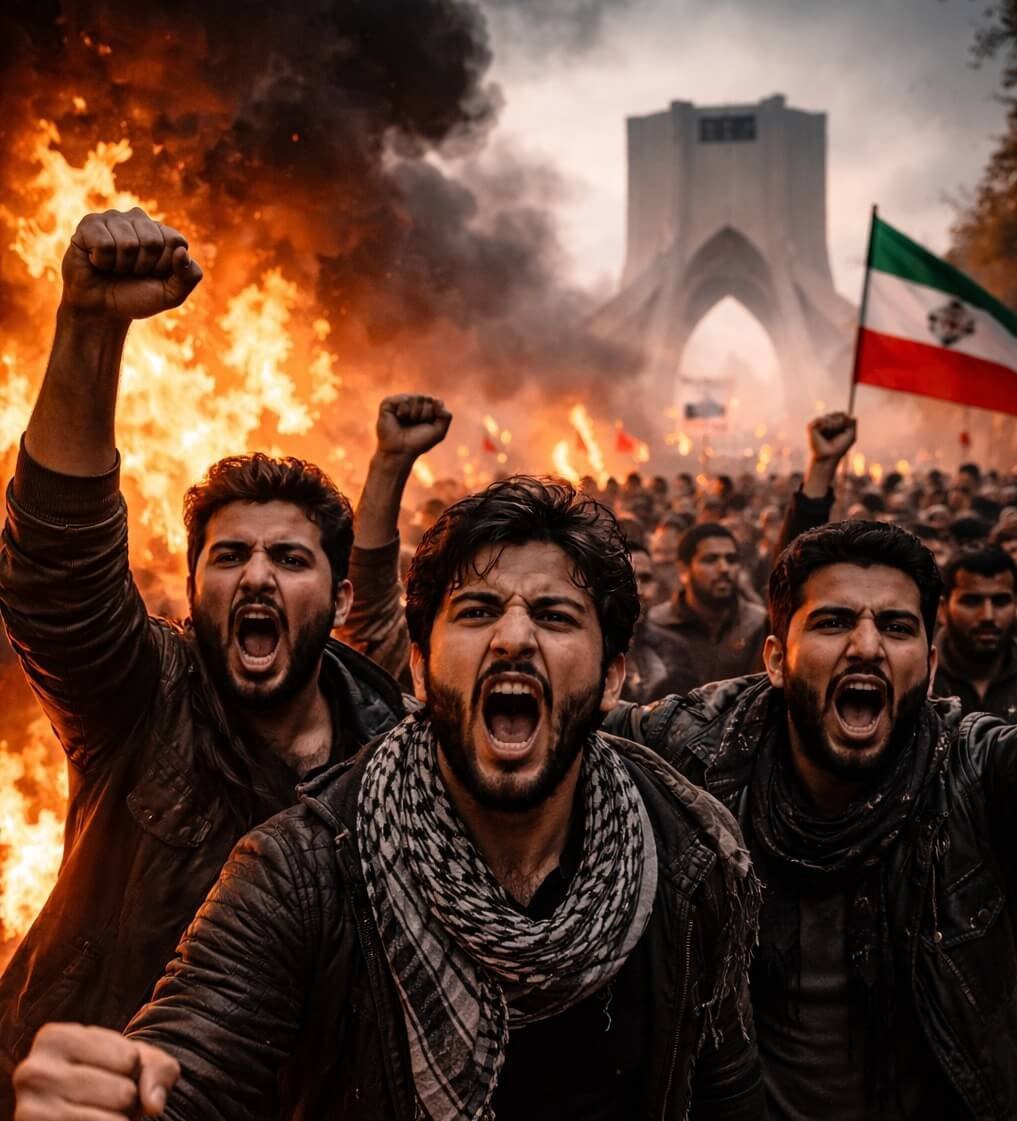
Iranian authorities have managed to suppress the first wave of nationwide protests, but the underlying crisis remains unresolved and could resurface, political analyst Azad Isazade said in an interview with Musavat TV.
According to Isazade, several scenarios were discussed during the peak of the unrest. One assumption was that external pressure or the threat of foreign intervention might eventually weaken the protests and push Iranian society to rally around the authorities. That scenario, he noted, ultimately did not materialize.
Another important factor, Isazade said, was the position of major oil-producing Arab states, including Saudi Arabia, Qatar, and the United Arab Emirates. These countries were concerned that a military escalation involving Iran could sharply drive up oil prices and destabilize the wider region. As a result, he argues, there was indirect pressure on Washington to avoid direct military action.
Isazade also pointed to practical military constraints. At the time of the protests, key U.S. naval and air assets capable of launching a rapid large-scale strike were not positioned close enough to Iran to carry out an immediate operation, which further reduced the likelihood of military intervention.
The analyst recalled that calls for Iranians to take to the streets, seize government buildings, and escalate public resistance did not produce the expected results. The first phase of protests was ultimately contained without major concessions from the authorities.
However, Isazade stressed that the root causes of the unrest remain intact. Economic pressures – including high inflation, the weakening of the national currency, rising prices, and declining living standards – continue to affect broad segments of Iranian society and could trigger renewed protests.
Drawing a historical parallel, he referenced the early stages of the 1979 Islamic Revolution, when an initial wave of unrest was suppressed, only to be reignited weeks later. At that time, opposition forces benefited from a clear organizational structure and influential leadership capable of mobilizing society.
Today, Isazade noted, Iran’s protest movements lack such a unified leadership and coordination mechanism. This absence remains a key weakness, but it does not rule out the emergence of a second wave of unrest driven by economic grievances.
In his assessment, the current lull should not be viewed as the end of Iran’s internal crisis, but rather as a temporary pause before potential renewed instability.