Azerbaijan.US
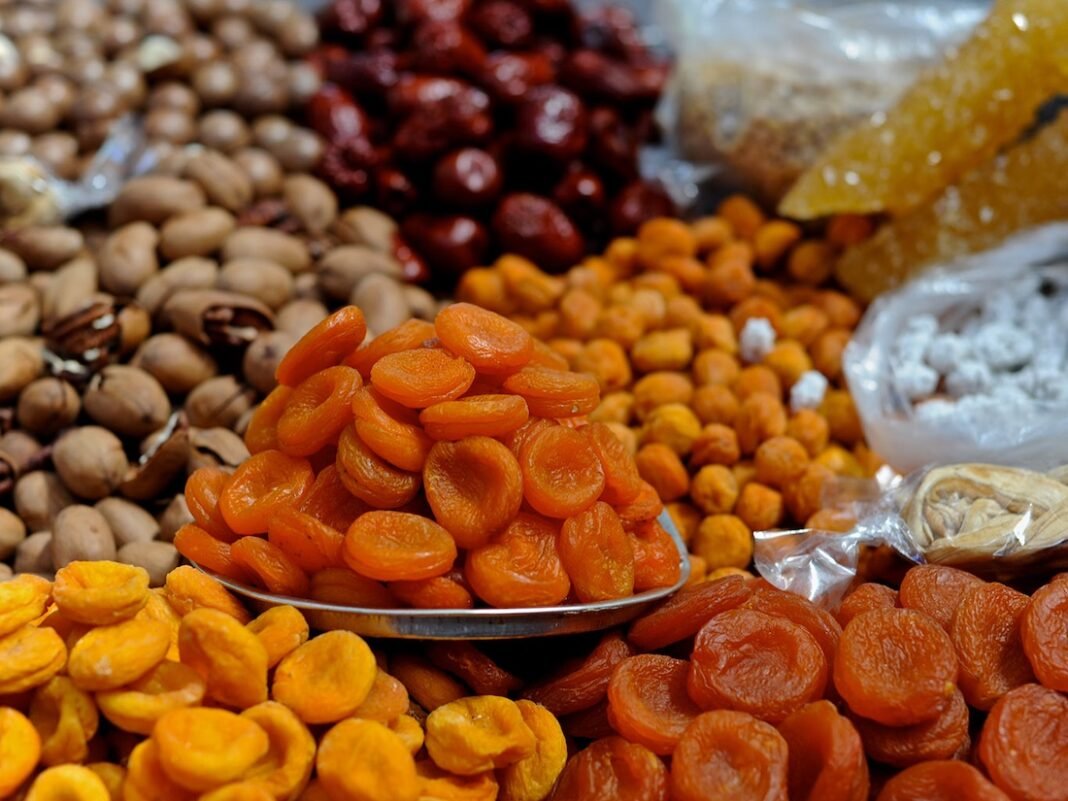
Prices for nuts and dried fruit in Azerbaijan have risen noticeably in recent weeks. Shelled hazelnuts that sold for 25–30 manats per kilogram just two weeks ago are now offered for 35-40 manats, while raisins that once cost 8–9 manats are being sold for 10-11 manats or more.
At the same time, consumers are increasingly noticing a sharp price gap between supermarkets and open markets. In some cases, the same type of nuts can cost almost twice as much in retail chains as they do at bazaars or street stalls, forcing buyers to choose between price and purchasing conditions.
Retail sellers say several factors explain the difference. Imported products have become more expensive, while supermarkets price goods with additional costs in mind — packaging, store rent, taxes, staff salaries, and compliance with sanitary and quality standards. These expenses are built into the final shelf price.
Open markets operate under a different model. Vendors often buy directly from wholesalers and face far lower overhead costs. As a result, they can offer lower prices, even though storage conditions and quality control may vary.
Economists note that informal or semi-formal sales also influence pricing dynamics. With minimal expenses for rent, packaging, and taxation, open sellers can undercut supermarkets. By contrast, large retail chains carry stable and unavoidable operating costs that must be reflected in product prices.
As a result, rising nut prices are driven not only by seasonal demand or import costs, but also by how and where products are sold. Supermarkets emphasize transparency, standardized quality control, and food safety, while open markets compete primarily on price.
Experts advise consumers to look beyond cost alone, paying attention to product origin, storage conditions, and overall quality when making their choice.

