Azerbaijan.US
Azerbaijan is facing a paradox in its public sector economy: dozens of small state-owned companies are effectively bankrupt, yet none of them are officially declared insolvent.
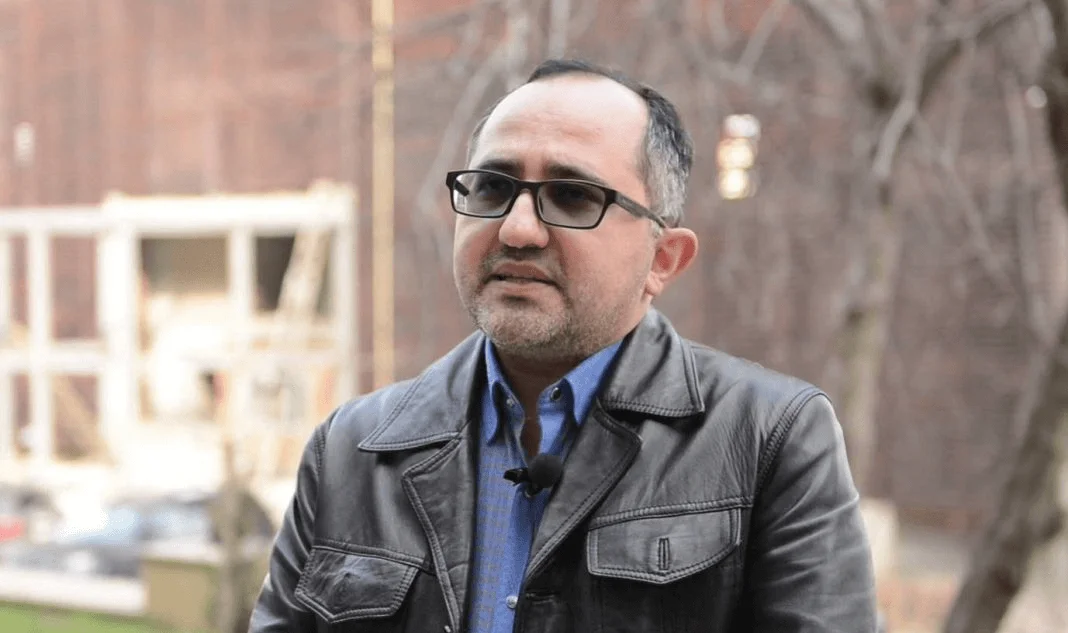
The issue was highlighted by Azerbaijani lawyer Akram Hasanov, who pointed out a structural contradiction inside the country’s economic governance system. According to him, many state-owned enterprises (SOEs) have accumulated significant tax debts and are no longer economically viable. Despite this, they continue to exist on paper, as Azerbaijan’s bankruptcy mechanism remains largely non-functional.
In practice, the State Tax Service continues to demand tax payments from these companies, even though their lack of funds is well known. At the same time, the formal owner of these enterprises is the State Property Service. Both institutions operate under the Ministry of Economy.
This creates a closed administrative loop: one branch of the ministry demands taxes from companies owned by another branch, while all sides are fully aware that the money does not exist and will not appear.
Experts note that the absence of an effective bankruptcy framework distorts financial reporting, freezes inefficient structures in place, and prevents economic renewal. Instead of restructuring, liquidation, or privatization, loss-making companies remain formally active, accumulating debt and administrative costs.
Such practices also raise broader questions about fiscal transparency and governance efficiency. Maintaining non-viable state companies consumes public resources, including salaries and administrative expenses, without generating economic value.
Analysts argue that without a functioning insolvency system, Azerbaijan risks preserving a “paper economy” – one in which financial obligations exist the books, but have no real connection to economic reality. Over time, this undermines trust in public institutions and complicates broader economic reforms.

