Azerbaijan.US
Official household welfare data released in Azerbaijan has sparked wide discussion online, highlighting a growing gap between statistical indicators and public perception of living standards.
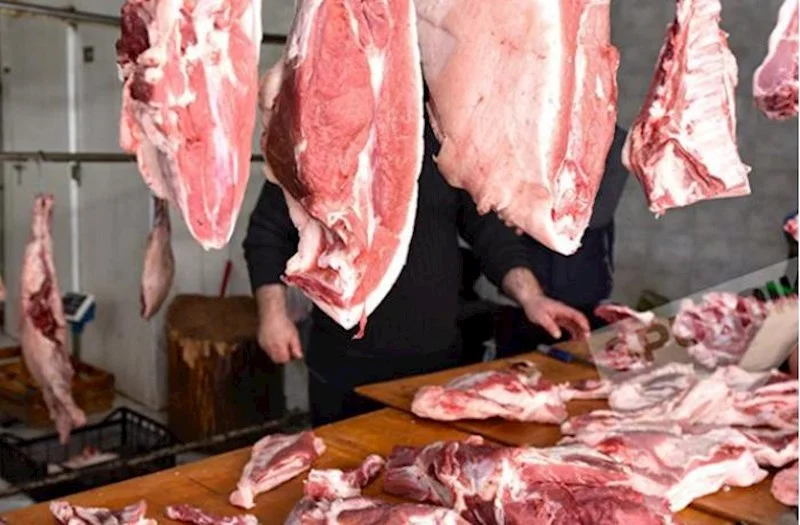
According to figures cited by BBC Azeri, the State Statistics Committee of Azerbaijan reports that 99.3 percent of households are able to consume meat, fish, or meat products at least every other day. The data also states that only 0.7 percent of households lack such access.
The same statistics indicate that 98.6 percent of households can afford prescribed medicines and basic medical supplies. In addition, roughly 97 percent of families are said to be able to cover unexpected expenses of 300 manats without borrowing. Official data further suggests that every second household in the country has the financial capacity to purchase a car.
According to the committee, Azerbaijan had around 2.8 million households in 2024, collectively representing a population of approximately 10.2 million people.
Following publication, the figures prompted a wave of skepticism on social media. Many users questioned whether the data accurately reflects everyday realities, particularly for pensioners and low-income families. Some commenters compared the statistics with their own household budgets, arguing that food costs alone can absorb a significant share of monthly income.
Others framed the issue as a broader problem of methodology, suggesting that averages and aggregate indicators may fail to capture regional disparities and differences in purchasing power. A number of users also questioned whether official indicators adequately reflect rising living costs, including food, utilities, and fuel.
At the same time, some voices defended the data, pointing to visible consumer activity in markets, high car ownership rates, and widespread use of expensive smartphones as evidence that the figures are not entirely disconnected from reality.
The debate underscores a recurring challenge for policymakers and statisticians: how to reconcile macro-level indicators with lived experience, especially at a time of rising prices and heightened public sensitivity to cost-of-living issues.

