Azerbaijan.US
The United States has temporarily suspended the processing of immigrant visa applications for citizens of 75 countries, a list that includes Azerbaijan, according to U.S. media reports citing government officials.
The pause is part of a broader review of U.S. immigration screening procedures and affects visa categories that lead to permanent residence, such as family-based immigration and diversity visas. Officials say the measure is aimed at strengthening background checks and reassessing eligibility criteria.
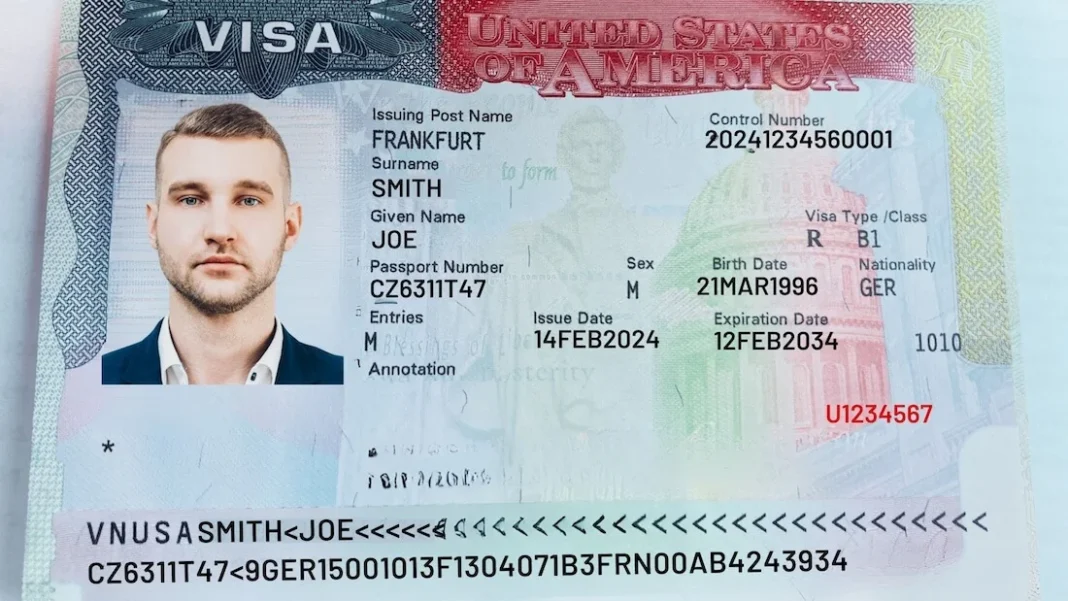
Importantly, the suspension does not apply to non-immigrant visas, including B-1/B-2 visas used for tourism and short-term business travel. U.S. authorities have not announced any formal halt to tourist or business visa processing at this stage.
The countries affected span multiple regions, including the South Caucasus, Eastern Europe, the Middle East, Africa, Asia, and Latin America. Alongside Azerbaijan, the list includes Armenia, Georgia, Kazakhstan, Russia, Egypt, Iran, Pakistan, Brazil, and several others.
The initiative has been discussed in the context of a broader push within Washington to tighten immigration controls. Senator Marco Rubio, a leading voice on national security and foreign policy issues, has publicly supported tougher vetting standards for immigrant admissions, though no single executive order has been publicly released covering all aspects of the reported pause.
U.S. officials stress that the measure is temporary and subject to review. Similar pauses in the past have been modified or lifted following legal and administrative assessments.
For Azerbaijani citizens, this means that applications for immigrant visas may face delays or temporary suspension, while travel to the United States on valid tourist or business visas remains unaffected under current rules.
U.S. embassies are expected to issue country-specific guidance if additional changes are introduced.

