Azerbaijan.US
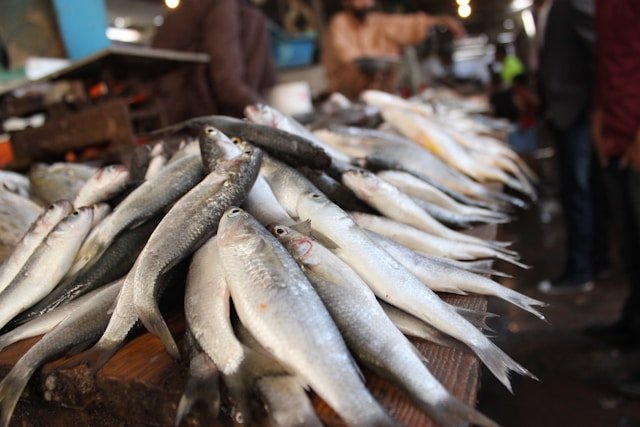
Azerbaijan’s fish stocks have declined dramatically over the past five to ten years, raising concerns over sustainability and future price growth, according to industry representatives.
Chairman of the Azerbaijan Fish Producers and Processors Association Zaur Salmanli said monitoring conducted in the Caspian Sea and the country’s internal water basins has revealed a steady depletion of natural fish reserves.
“The results are not encouraging,” Salmanli said, noting that assessments were carried out jointly with Turkish specialists who recently visited Azerbaijan to support local experts in conducting preliminary ecological monitoring.
Based on the findings, authorities are now discussing a new fisheries and aquaculture strategy focused on restoring depleted stocks. Proposed measures include the rehabilitation of fish-breeding plants and the possible involvement of the private sector in fish reproduction programs.
One of the most pressing issues remains the declining water levels in rivers, particularly the Kura River. Reduced water flow has severely affected migratory fish species – those that spend most of their life in the sea but enter freshwater rivers to spawn.
According to Salmanli, species such as sturgeon, Caspian salmon and other migratory fish have been hit hardest. The drying of the Kura River estuary has made spawning routes increasingly inaccessible, disrupting natural reproduction cycles.
The ecological strain is already affecting the market. Fish has become a more expensive food product, and experts warn that prices are unlikely to stabilize anytime soon. Salmanli predicts that fish prices will continue to rise over the next three years, with no clear factors pointing toward a decline in the near term.
“As long as the Caspian Sea continues to recede and river ecosystems remain under pressure, price growth for wild-caught fish will persist,” he said.
The most significant price increases are expected for kutum, Caspian herring, golden fish and sturgeon species, which rely heavily on healthy river-sea migration routes.
Industry experts warn that without sustained ecological intervention and long-term resource management, Azerbaijan’s fish shortage could become a structural problem, affecting both food prices and biodiversity.