Azerbaijan.US
Each year, as Formula 1 returns to Baku, the same question resurfaces: why does Azerbaijan continue to invest heavily in one of the world’s most expensive sporting spectacles? Critics point to rising costs and limited social impact, while supporters cite tourism and global exposure. The real answer lies somewhere more strategic – and more pragmatic.
Formula 1 in Baku is no longer about sport in the traditional sense. It is a tool of international positioning. In a crowded global media environment, where cities and countries compete fiercely for attention, visibility itself has become a form of currency. Azerbaijan understands this well.
The financial burden is significant. Hosting a Formula 1 Grand Prix involves tens of millions of dollars annually, including licensing fees, security, logistics, and infrastructure. These figures inevitably spark public debate, especially amid economic pressures and social priorities.
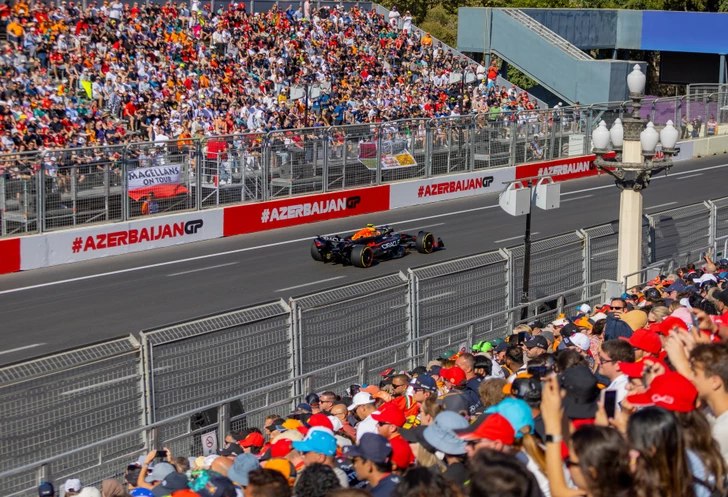
Yet Azerbaijan continues the project knowingly. The reason is simple: a single race weekend delivers hundreds of millions of global viewer impressions. For several days, Baku dominates international broadcasts, with images of the Caspian coastline, the historic city walls, and a modern urban skyline beamed worldwide. Achieving comparable exposure through traditional advertising would likely cost far more – and still lack the same credibility.
Critics are right to argue that the direct economic return is difficult to quantify. Hotel occupancy peaks briefly, and tourism growth does not always match the scale of investment. But Formula 1 is not designed as a short-term revenue generator. Its value lies in reputation and signaling.
For international investors and event organizers, the race sends a clear message: Azerbaijan can host complex, high-security global events reliably and on schedule. In a region often associated with volatility, consistency itself becomes a powerful statement.
There is also a political dimension. Stability is rarely proven through declarations alone. It is demonstrated through execution. Each uninterrupted Formula 1 season reinforces the perception of institutional capacity, predictability, and control – qualities that matter deeply in international business and diplomacy.
That said, the criticism is not unfounded. Formula 1 does little to develop grassroots sports or broaden public participation. Without transparent communication about costs and long-term strategy, the project risks being seen as elitist or disconnected from everyday concerns.
But expecting Formula 1 to solve social issues misses the point. It is not a welfare program, nor a sports development initiative. It is a visibility strategy – an expensive one, but a calculated choice.
In today’s global competition for attention, remaining visible can matter as much as natural resources or geography. Baku continues to bet on Formula 1 not because of racing passion, but because the price of invisibility may be even higher.