Azerbaijan.US
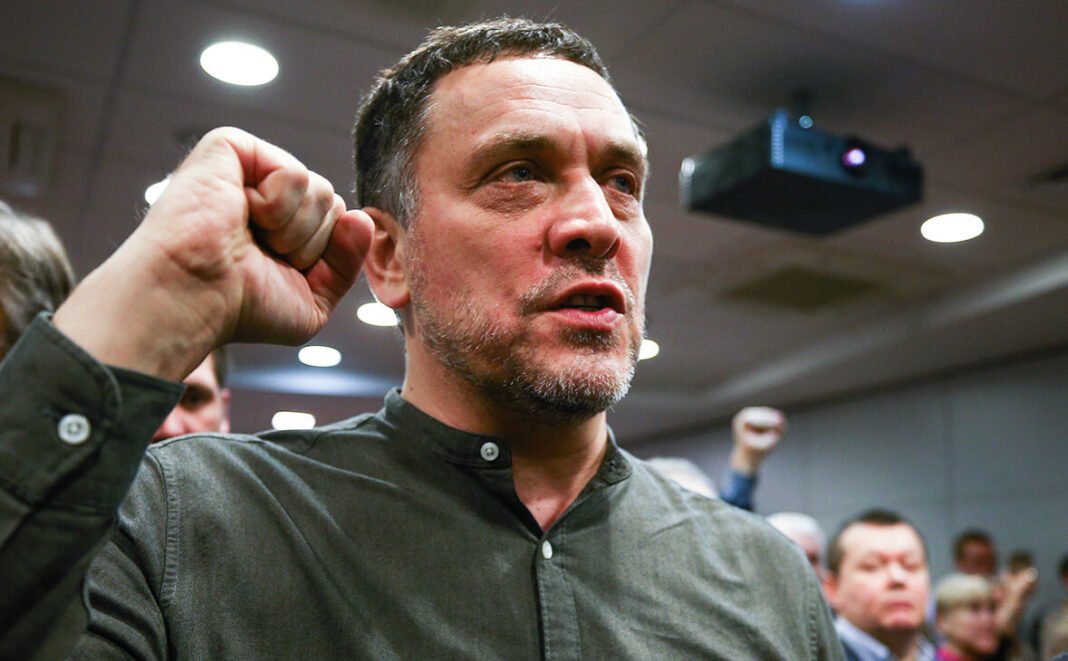
Comparisons between current developments in Iran and recent events in Venezuela are misleading and analytically flawed, Russian journalist and political analyst Maxim Shevchenko said, commenting on speculation about potential external pressure and political destabilization in Tehran.
According to Shevchenko, Iran represents a fundamentally different political and social model. Unlike Venezuela, Iran is built on a deeply rooted religious and ideological system that provides the state with a broad and resilient social base. This structure, he argues, limits the effectiveness of rapid regime-change scenarios often discussed in external political discourse.
Shevchenko dismissed reports suggesting that Iran’s top leadership could flee the country under pressure, describing such claims as detached from the country’s internal realities. In his assessment, any attempt at direct external intervention would not lead to an orderly transfer of power but instead risk triggering a large-scale internal conflict.
He also addressed the role of Iran’s ethnic composition, particularly the country’s sizable Azerbaijani Turkic population. Contrary to claims that these regions could become centers of unrest, Shevchenko noted that there have been no large-scale uprisings in cities such as Tabriz. He argued that Iranian Azerbaijanis have historically opposed the Persian nationalist policies associated with the Pahlavi era and, in many cases, view the current religious framework as a preferable alternative.
While acknowledging Iran’s social and economic challenges, Shevchenko linked many of these difficulties to long-standing international sanctions rather than internal administrative collapse. He emphasized that economic pressure alone does not automatically translate into political disintegration, especially in societies with strong ideological cohesion.
Shevchenko also pointed out that everyday life in Iran, particularly in major urban centers, is often more complex than portrayed in international media. In parts of Tehran, especially the northern districts, social practices have evolved, reflecting a degree of informal liberalization alongside existing religious norms.
In his view, external pressure on Iran is driven less by concerns over governance or civil liberties and more by Tehran’s refusal to integrate into Western-led political and economic frameworks. This, he said, makes Iran a unique case in the region.
Shevchenko concluded that any confrontation involving Iran would be fundamentally different from Latin American precedents. Attempts to replicate a “Venezuela-style” outcome, he warned, underestimate Iran’s internal dynamics and the potential regional consequences of escalation.

