Azerbaijan.US
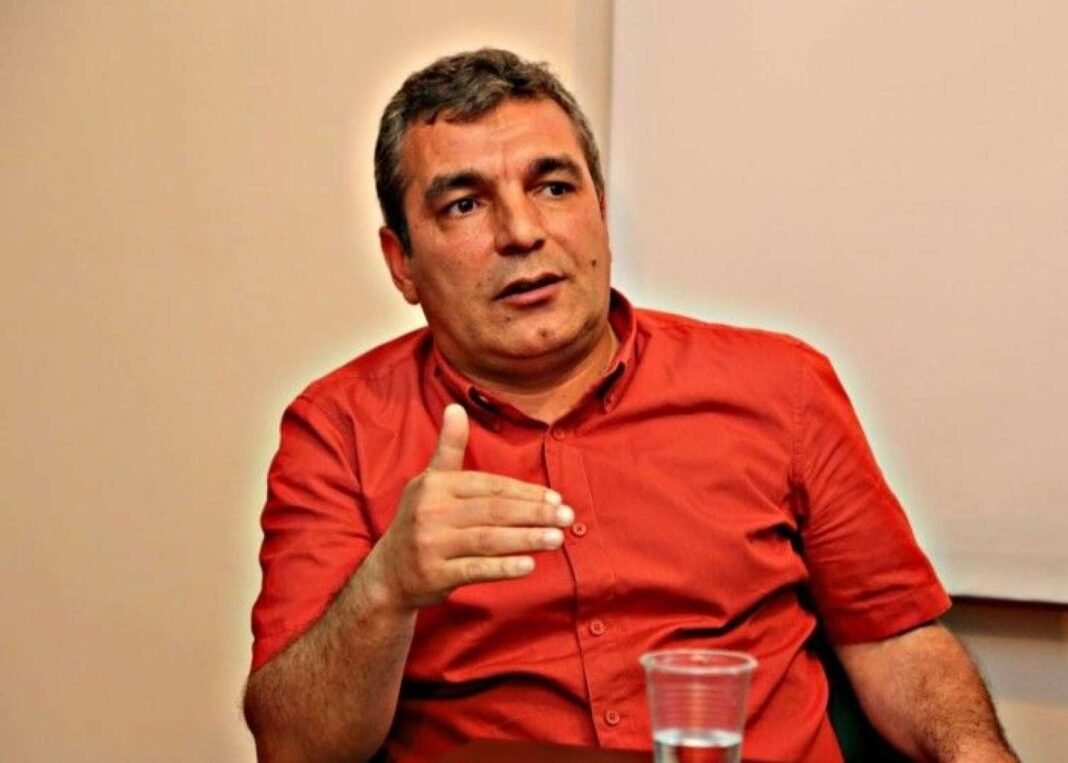
Azerbaijani economist and REAL Party chairman Natig Jafarli has forecast that average global oil prices in 2026 could fall to $45-55 per barrel, citing oversupply on the global market and political dynamics in the United States.
Jafarli shared his assessment during a question-and-answer session on social media, excerpts of which were published by local outlet Vesti Baku.
According to him, the global oil market is currently experiencing excess supply, while OPEC+ has so far managed to keep prices near $60 through artificial production limits – a strategy he believes will not be sustainable in the long term.
Jafarli also pointed to the upcoming U.S. midterm elections as a key factor. He said lower oil and fuel prices are politically beneficial for Republicans, as domestic fuel costs directly influence voter behavior.
“The average American voter is not focused on foreign policy, Ukraine, Russia or Iran. What matters most is the price of gasoline they pay every morning,” Jafarli said.
He noted that nearly 70% of domestic freight transportation in the United States relies on trucks, meaning lower fuel prices reduce logistics costs, ease inflationary pressure and improve electoral prospects.
Implications for Azerbaijan
Assessing the potential impact on Azerbaijan, Jafarli stressed that the country’s challenge is not only lower oil prices, but also a sharp decline in production volumes.
Under the current economic model, he said, oil prices in the $45–50 range would likely limit GDP growth to around 1%, increase the risk of a negative trade balance and reduce foreign currency inflows.
At the same time, Jafarli said the direct impact on the state budget would be limited, as transfers from the State Oil Fund are fixed regardless of oil prices.
The more significant effect, he warned, would come from declining tax revenues from oil companies, including SOCAR, BP (Azerbaijan International Operating Company) and other producers.
Call for reforms
Jafarli urged the government to focus on structural and institutional reforms, particularly within the judiciary and law enforcement system, arguing that sustainable economic growth is impossible without legal and institutional transformation.
He noted that Azerbaijan has nearly $80 billion in financial reserves, which he described as a strategic opportunity rather than a passive “safety cushion.”
“These reserves give the country two to three years to carry out fast and deep reforms. If this opportunity is missed, the cushion will simply be consumed, and the economy will face much tougher conditions,” he said.
Jafarli also criticized the government’s reliance on raising taxes, fees and fines to offset declining revenues, arguing that the core problem is weakening economic activity and slower value creation, not budget shortfalls.
According to him, lowering the tax burden could initially reduce budget revenues but would ultimately lead to higher collections through increased economic activity.