Azerbaijan.US
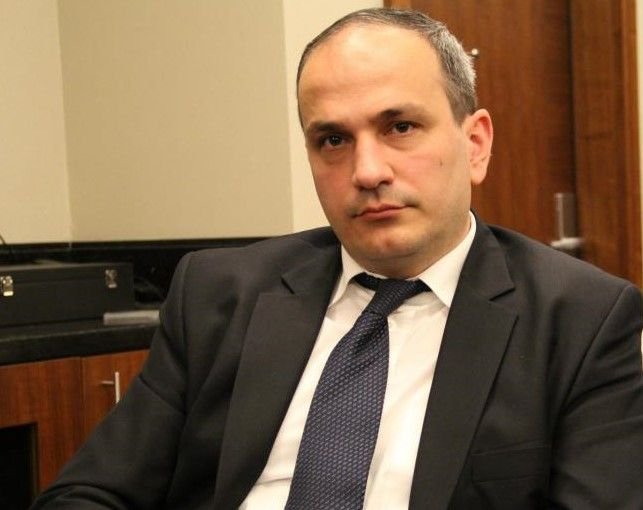
An Azerbaijani economist has warned that the introduction of fixed monthly charges for natural gas and electricity will disproportionately burden low-income households, effectively raising utility tariffs for nearly half of the population.
In an analysis published on Facebook, economist Samir Aliyev argued that the fixed-fee mechanism turns so-called “low tariffs” into higher effective prices for consumers with modest energy use – a group that largely overlaps with poorer households.
Gas tariffs: lower consumption, higher real price
Under current regulations, households consuming up to 1,200 cubic meters of natural gas per year are charged the lowest nominal rate – 12.5 gapiks per cubic meter. This tier was originally designed to protect low-income families from higher prices.
At this level of consumption, annual gas expenses amount to 150 manats. However, starting in 2026, even if the per-unit tariff remains unchanged, the introduction of a fixed annual charge will raise total payments to 162 manats.
As a result, the effective price of gas for these consumers rises to 13.5 gapiks per cubic meter, an increase of at least 8 percent. According to Aliyev, this affects roughly 48 percent of gas consumers.
The impact becomes even more pronounced as consumption falls. For example:
at 1,000 cubic meters, the effective tariff rises to about 13.7 gapiks;
at 800 cubic meters, it reaches 14 gapiks per cubic meter.
“In practice, the less gas a household consumes, the higher the real price it pays,” Aliyev noted.
Electricity follows the same pattern
A similar dynamic applies to electricity consumption. For households using up to 200 kilowatt-hours per month, the nominal tariff is 8.4 gapiks per kWh.
However, once the fixed monthly fee is included, average monthly bills increase from 16.8 manats to 17.8 manats. This pushes the effective electricity price to 8.9 gapiks per kWh, representing a rise of at least 6 percent.
Aliyev estimates that around 65 percent of electricity consumers fall into this category. As with gas, lower usage leads to higher effective prices:
150 kWh translates into about 9.1 gapiks per kWh;
100 kWh rises to roughly 9.4 gapiks per kWh.
Who bears the burden
According to the economist, low-tariff groups consist primarily of low-income families, although some middle-income households – such as residents of apartment buildings with centralized heating – may also qualify.
“Regardless of how the policy is labeled, in 2026 ‘energy-efficient’ households will face real tariff increases of at least 8 percent for gas and 6 percent for electricity,” Aliyev said.
He also pointed to a contradiction in official messaging. When announcing price adjustments, regulators often argue that most consumers belong to the lowest tariff group and will therefore be minimally affected. In reality, Aliyev said, this means that nearly half of gas users and two-thirds of electricity consumers will end up paying higher effective rates.
By contrast, wealthier households – whose overall consumption is higher – will feel the impact of fixed fees far less.

