By Azerbaijan.US Editorial Board
In Azerbaijan, public outrage is selective. A single viral claim that dozens of men were beaten can dominate social media and spark days of debate.
.
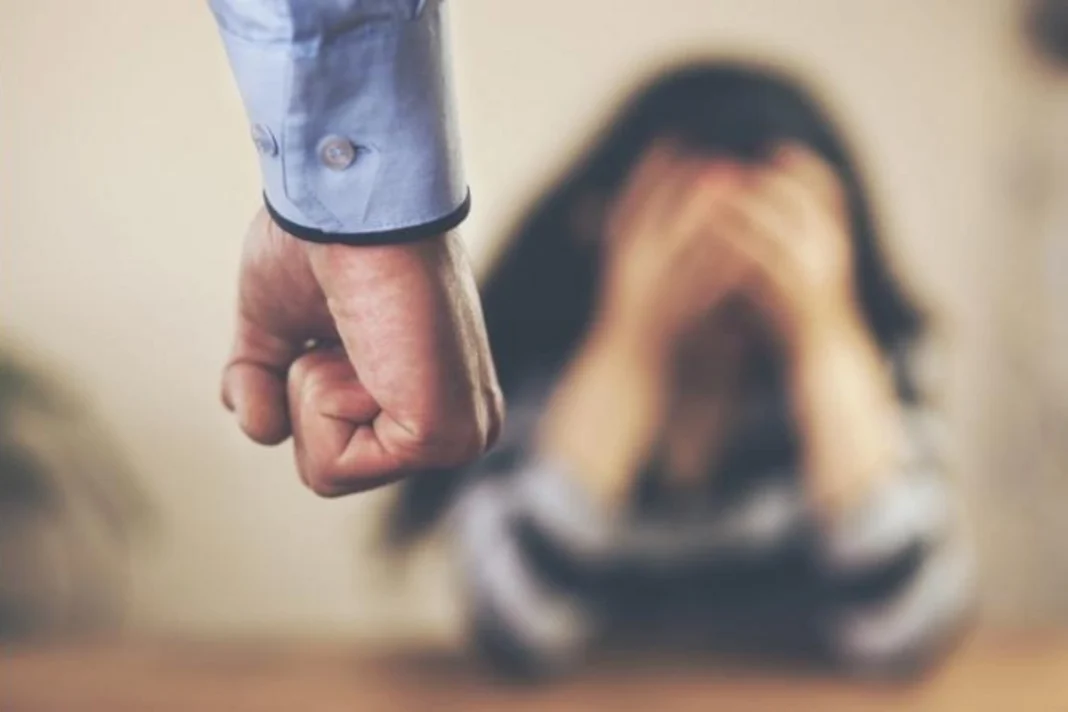
Yet women who endure years of physical and psychological abuse – and women who are ultimately killed – rarely provoke the same response.
This is not coincidence. It reflects how violence is socially categorized. When a woman is beaten, it is framed as a private “family matter.” When she stays silent, it is explained away as tradition or mentality. When she is killed, the crime is routinely reduced to a “domestic dispute.” Violence against men, by contrast, is quickly elevated to a public issue.
Official statistics help preserve this imbalance. Reports by Azerbaijan’s State Statistics Committee present domestic violence as limited and manageable. On paper, the system appears to function. In practice, these figures capture only a small fraction of reality – women who were able to file complaints in a system that offers little protection.
Multiple international and local studies suggest that between 30 and 40 percent of women in Azerbaijan experience physical, psychological, economic, or sexual violence at some point in their lives. UN Women Azerbaijan and local rights groups have documented this repeatedly. Most cases never enter official records. They remain hidden behind closed doors, protected by social pressure and institutional indifference.
The most common forms of abuse are psychological and economic: constant humiliation, surveillance, restrictions, financial control. These rarely appear in court rulings or police protocols. The message women receive is consistent: endure. Endure to preserve the family. Endure to avoid stigma. Endure so children are not raised without a father.
Over time, endurance becomes normalized. Abuse is rationalized as stress, jealousy, or love. The phrase “he beats me, but he loves me” is not an isolated confession in Azerbaijan – it reflects a broader cultural distortion of what intimacy and responsibility mean.
This normalization sustains what might be called a fictional family model. Formally, families remain intact. Divorce rates stay low. Official statistics look reassuring. But this stability is maintained at the expense of women’s physical safety and mental health. Endurance is rebranded as strength, when in fact it is the absence of alternatives.
Every year, dozens of women are killed in incidents officially described as domestic conflicts. Rarely are these deaths treated as systemic failures. Questions go largely unasked: Why was this woman not protected earlier? Why were warning signs ignored? Why did intervention come only after lethal violence?
Public discourse on women’s rights exists. Conferences are held. Statements are issued. Yet functioning protection mechanisms remain scarce. Shelters are limited, especially outside major cities. For many women fleeing abuse, there is simply nowhere to go. Institutions exist in name, but the practical response remains unchanged: return home and endure.
As long as violence against women is treated as a private issue rather than a public failure, the pattern will persist. Selective outrage will continue. Statistics will remain comforting. And women will continue to be silenced in the name of preserving the family.