In January–November 2025, pharmacies in Azerbaijan sold pharmaceutical products and medical supplies worth 1.424 billion manats, according to official data. Sales volumes increased by 24.3% compared to the same period in 2024, meaning citizens spent around 300 million manats more on medicines during the first 11 months of this year.
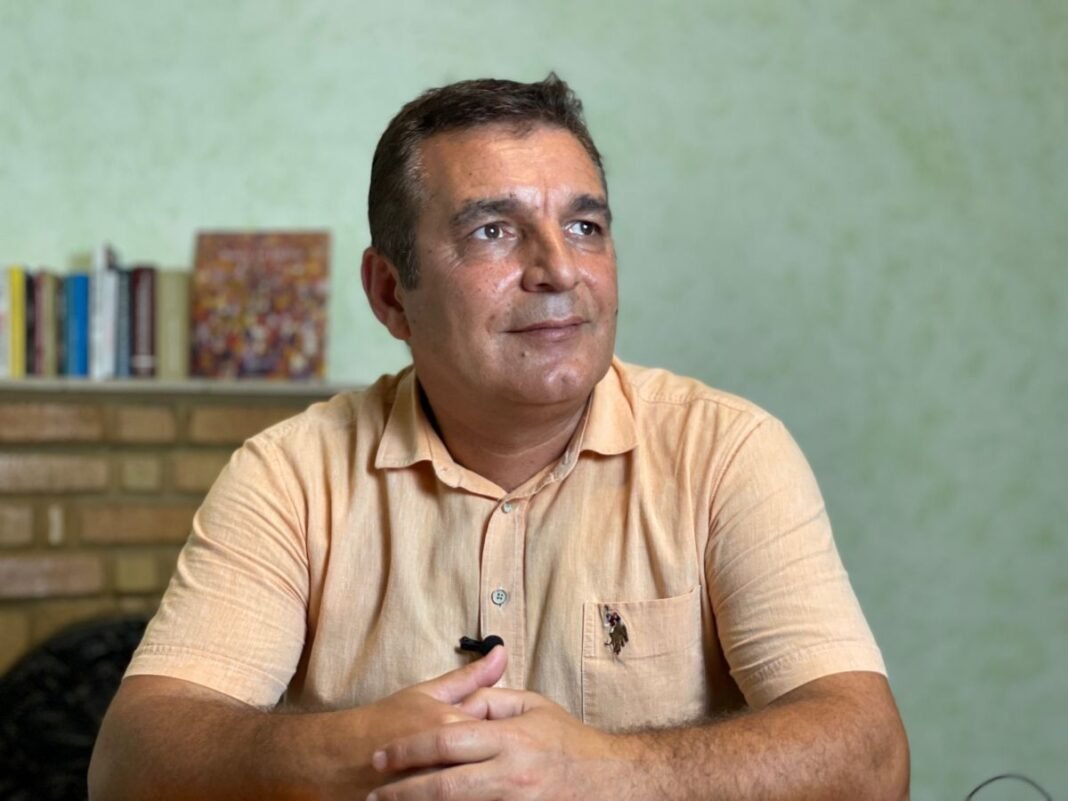
Economist and civic activist Natig Jafarli wrote about the figures on his Facebook page, arguing that the sharp increase cannot be considered organic.
“A rise of nearly 25% is not driven by higher consumption volumes. It reflects a steep increase in drug prices,” Jafarli said. He blamed the situation primarily on the pricing policy implemented by the government-established Tariff Council, describing its approach as ineffective and harmful.
Stay Ahead with Azerbaijan.usGet exclusive translations, top stories, and analysis — straight to your inbox.
According to Jafarli, since price regulation in the pharmaceutical sector was handed over to the Tariff Council, medicine prices have continued to rise while quality has steadily declined. “The Council’s methodology benefits monopolies, disregards public interests, pushes prices upward, and lowers quality,” he wrote.
He also claimed that more than 200 companies involved in importing and selling medicines have shut down since these regulatory changes were introduced, effectively destroying competition. As a result, pricing decisions now favor a small number of large firms allegedly linked to certain officials and members of parliament. “Prices are increasing month after month. This is impossible not to see. If the government doesn’t see it, that means it simply doesn’t want to,” Jafarli said.
Jafarli recalled that years earlier he had proposed either abolishing VAT on medicines entirely or reducing it to a symbolic 2% for reporting purposes. According to his estimates, eliminating VAT would lower drug prices by at least 15%, while removing the Tariff Council’s ineffective pricing powers and restoring competition could reduce prices by an additional 15–20%. In that scenario, a medicine currently priced at 10 manats could cost around 6 manats.
“Nothing is heard, nothing is seen, nothing is listened to,” Jafarli added. He stressed that Azerbaijan produces almost no pharmaceuticals domestically, importing 93-94% of its medicines.
“Foreign manufacturers invest heavily and consider a 10-15% margin a success. Meanwhile, our idle government wants to earn 18% VAT on imported medicines without doing anything-fully aware that the final payer of any tax or duty is always the citizen,” he wrote.

