Azerbaijan officially counts anyone crossing its border as a tourist. Even using that generous definition, the numbers tell a blunt story: the continued closure of land borders is costing the country hundreds of millions of dollars – and weighing heavily on its international reputation.
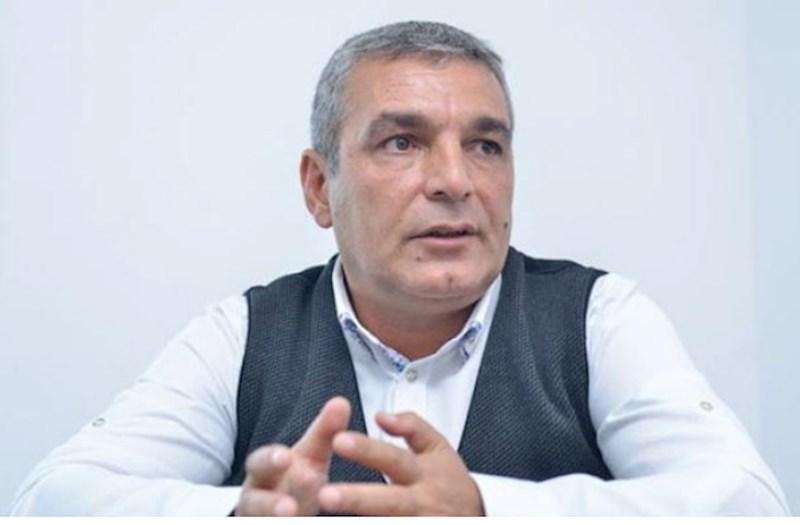
As reported by Azerbaijan.US, economist Natig Jafarli wrote on his Facebook page that, in the last pre-pandemic year when all crossings were open, January–October 2019, 2.68 million visitors arrived from 192 countries.
For the same period in 2025, with land borders still sealed, the figure dropped to 2.17 million from 183 countries.
That is 510,800 fewer travelers than before the restrictions. With the average visitor spending $400–500, Azerbaijan forfeited nearly $250 million in revenue in just the first ten months of this year.
The government’s own statistics underscore the contradiction. Of all foreign visitors in 2025:
76.3% arrived by air
22.4% entered by rail or road
1.3% came by sea
That means roughly a quarter of all arrivals – more than 500,000 people – entered Azerbaijan via land or sea routes.
And here the questions begin.
Foreign citizens are fully allowed to leave Azerbaijan through land borders. The country has no legal authority to block their exit – and doesn’t.
But how, then, did so many foreign nationals manage to enter a country whose land borders are officially closed? Not all of them are truck drivers, as the numbers clearly exceed freight movement.
If foreign nationals can arrive by land, why can’t Azerbaijani citizens return home the same way?
For example, an Azerbaijani who flies to Georgia still cannot re-enter his own country by land – even though the state offers no coherent explanation for blocking its own citizens. If the argument is pandemic control, it makes little sense five years later. If it is security, preventing a citizen from returning home has no logical security basis.
Beyond the economic loss, the prolonged closures carry a diplomatic cost. Azerbaijan’s image as an open, modern, tourism-driven country is undermined every month the restrictions remain in place. The policy confuses partners, frustrates travelers and businesses, and signals a level of insularity at odds with the country’s ambitions.
The borders must reopen. The current situation is not just inconvenient – it is economically damaging, logically inconsistent and reputationally harmful.

