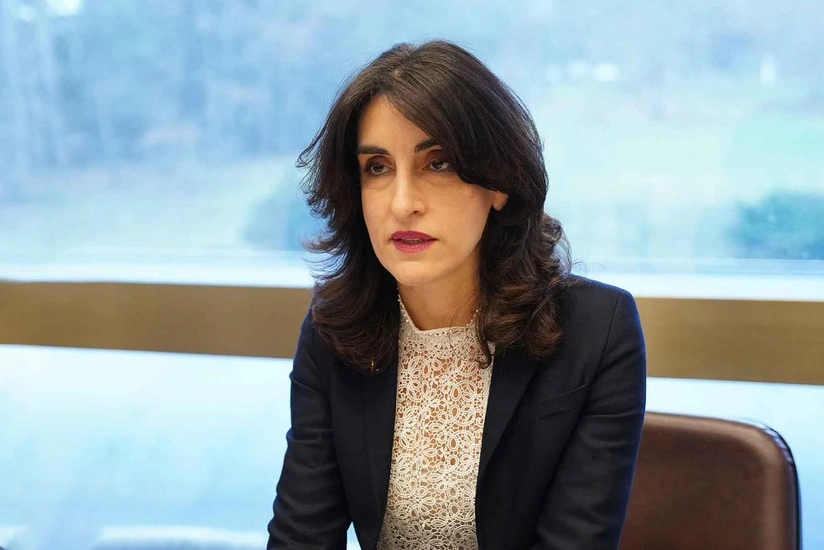
Georgia’s Foreign Minister Maka Bochorishvili dismissed concerns raised by the European Commission, insisting that recent amendments to the Administrative Code do not limit freedom of assembly or freedom of expression.
Speaking in an interview, she noted that the updated legislation – which introduces stricter penalties for wearing masks during protests, unlawful road blockages and, in some cases, replaces fines with administrative arrest – aligns with international standards.
Bochorishvili added that several partner countries were “surprised these regulations were not already in place” in Georgia.
She sharply criticized the European Commission’s enlargement report, calling it detached from reality and filled with “unfounded conclusions.”
“This report damages the EU’s reputation and credibility. It does not serve the interests of Georgia or Europe,” she said.
According to the minister, the changes create a necessary balance between the rights of different groups and help protect public order:
“We will continue adopting laws that strengthen stability and support a safe public environment.”
Georgia remains open to discussing even the most sensitive issues with the European Union, Foreign Minister Maka Bochorishvili said, arguing that dialogue can help normalize relations despite recent tensions.
As reported by Report’s Georgia bureau, she stated that “the more countries realize the EU’s policy is moving in the wrong direction, the more evident the need for dialogue with Georgia becomes.”
Bochorishvili confirmed that Brussels postponed the planned November 21 Georgia–EU Human Rights Dialogue – a decision she stressed was made unilaterally by the EU. Georgia, she said, remained fully prepared to proceed.
“We have not suspended a single dialogue. Georgia is ready to discuss the most difficult issues,” she said.
Responding to speculation that the composition of the Georgian delegation triggered the postponement, the minister called such claims baseless:
“Determining the delegation is the sole competence of Georgia. The agenda was set by the EU, and our delegation consisted of officials responsible for those topics.”
Bochorishvili emphasized that no Georgian official is under EU sanctions and that discussions in EU capitals show that most member states support continued dialogue.

