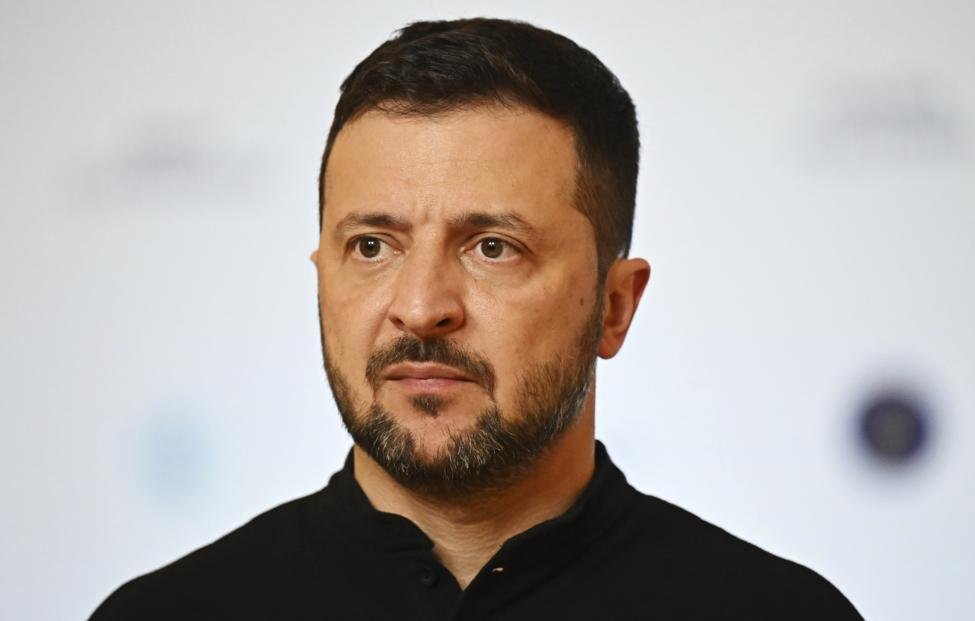
Ukraine’s National Anti-Corruption Bureau (NABU), together with the Specialized Anti-Corruption Prosecutor’s Office, has conducted one of the largest corruption operations in the country’s modern history – uncovering a sprawling criminal network inside Energoatom, Ukraine’s state nuclear energy operator.
The investigation unfolded over 15 months, during which detectives collected more than 1,000 hours of audio recordings, exposing what officials describe as a “multi-level corruption structure” embedded at the core of a strategic state enterprise. More than 70 searches have been carried out, and multiple suspects have been detained.
The scandal erupted at the worst possible moment – during a full-scale war – instantly dominating the Ukrainian news cycle and pushing battlefield updates off prime-time television. And it triggered a powerful national debate that quickly split the country into two camps.
The “95 Kvartal” Connection: Why Zelensky Came Under Fire
One of the key figures implicated in the corruption scheme is Timur Mindich, a businessman known as a co-owner of the Kvartal 95 studio – President Volodymyr Zelensky’s longtime professional base before entering politics.
The revelation that a high-profile suspect is linked to Zelensky’s former circle was enough to ignite a political firestorm. Critics of the president immediately argued that corruption thrived within sectors tied, directly or indirectly, to people once considered his friends and business partners.
For many Ukrainians, especially amid wartime scarcity, corruption on this scale feels indistinguishable from looting. And the fact that some of those implicated come from a well-known environment associated with the president has given his opponents a convenient narrative:
“Zelensky brought these people into public life – and now the country is paying the price.”
This has fueled a new wave of outrage, with opposition voices insisting that the scandal did not arise in a vacuum but was made possible by networks that gained influence during Zelensky’s rise to power.
The Counterargument: Zelensky Didn’t Shield Anyone
Supporters of the president argue the opposite. They note that Zelensky:
did not interfere with the 15-month investigation,
did not protect any officials,
and on November 13 imposed sanctions on the scandal’s central figures, including Mindich and Alexander Zuckerman.
For them, the operation proves that no individual – regardless of past affiliations – is untouchable. This faction argues that if Zelensky truly wanted to protect former associates, the case would never have reached the arrest stage at all.
A Crisis of Trust During Wartime
Still, the damage is real. The economic and security consequences of corruption in Ukraine’s nuclear energy sector are severe, and the optics – especially during wartime – are unforgiving.
The scandal also exposed a deeper political dilemma:
Can Ukrainians trust a system where some of the accused were once part of the president’s broader cultural and business orbit?
Even without direct involvement, the perception that “Zelensky’s people” were part of the rot has undermined public confidence.
Now the Burden Falls on the President
Zelensky now faces a critical test of leadership. The country expects:
harsh, public accountability,
visible punishment,
and a demonstration that political loyalty offers no protection.
Any hint of leniency could provoke nationwide anger in a society exhausted by war and hungry for justice.
Ukraine has long struggled with systemic corruption, but rarely has a case emerged with such symbolic weight – touching not just a state corporation but also, indirectly, the president’s own past associations.
Zelensky’s challenge is clear:
prove that those connections no longer matter – and that justice will prevail even if the scandal’s roots trace back to people once considered his friends.
If he fails, the scandal risks becoming not just an Energoatom crisis, but a Zelensky crisis.