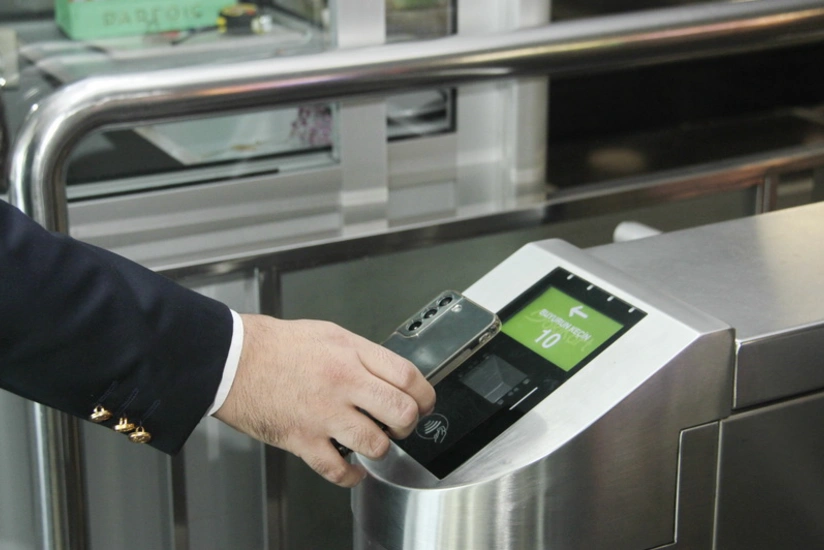
Baku’s metro system has taken a major technological leap forward: passengers can now pay for rides using local bank cards with NFC, as well as Apple Pay and Google Pay.
The update has been warmly received by commuters – yet one issue continues to spark frustration: the flat-fare system that charges the same price regardless of distance traveled.
Currently, all metro passengers pay 60 qepiks per trip, whether they travel one stop or cross the entire city. Many residents argue that such a model is unfair.
“Short and long trips shouldn’t cost the same – it makes no sense. The 60 qepik fare should apply only to longer routes,” one passenger told local media.
“It would be much fairer if fares were based on distance,” added another commuter.
Distance-based systems have been in place for decades in many major cities around the world. Passengers tap their cards both at entry and exit, and the system automatically calculates the fare based on how far they traveled. But experts say implementing such a model in Azerbaijan would require major technical and regulatory reforms.
Transport analyst Eldaniz Jafarov believes several preliminary steps must come first:
“The process of creating a Public Transport Fund is already underway, along with preparations for contracts between the state and transport companies. Only after these steps are completed can we seriously consider differentiated fares.”
Officials at Baku Metro CJSC confirm that the idea is being studied, though it is not an immediate priority.
“A distance-based pricing model is not yet relevant,” said Anar Zamanov, head of the metro’s traffic service. “We are examining international experience and studying how it might be adapted to Baku’s infrastructure.”
The Azerbaijan Land Transport Agency echoed this position, stressing that a full transition to cashless payments and the development of a supporting digital infrastructure are essential prerequisites.
For now, despite the city’s rapid move toward digital modernization, the introduction of a fairer, distance-based fare system remains a long-term goal – one that will require both investment and structural change.