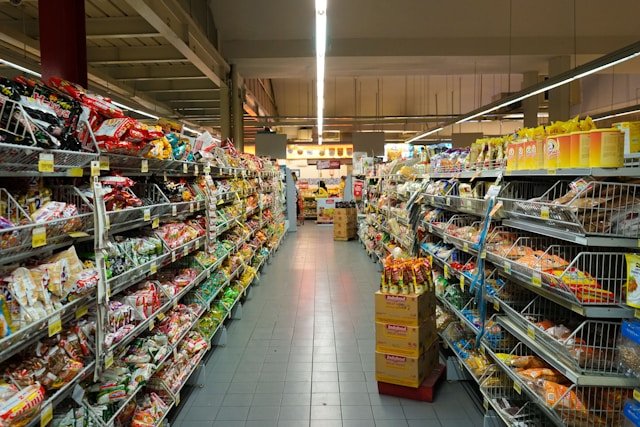
Imported goods in Azerbaijan have become 25% more expensive compared to the same period last year, setting a new record for price growth.
The sharp increase has affected both food and non-food categories – including butter, meat, fruits, and household goods – pushing inflationary pressure across the entire consumer market.
Economist Khalid Kerimli links the surge to the global rise in transport and logistics costs, noting that worldwide inflation is directly impacting the final prices of imported products.
“Over the past 12 months, the price of meat products has increased by 8.5%, vegetables by 13%, butter by 12.5%, dairy by 7.5%, fruits by 7.4%, and fish by 4.7%,” the expert explained.
Kerimli warns that the situation may worsen unless shipping and logistics expenses stabilize. He also cautioned against artificial price hikes by import-dependent distributors within the country.
“The State Service for Antimonopoly and Consumer Market Control must strengthen oversight of import monopolies and verify foreign trade contracts. Otherwise, consumers risk bearing the full cost burden,” he said.
“Unfortunately, global food inflation and rising prices in partner countries are unavoidably driving up domestic food costs – and this trend is likely to continue.”
Meanwhile, MP Vugar Bayramov, a member of the Milli Majlis Committee on Economic Policy, said the most effective response lies in strengthening domestic production.
“Reducing imported inflation and curbing consumer price growth are key policy priorities,” Bayramov emphasized.
“We must expand local production not only of agricultural raw materials but also of processed food products. This is the most reliable barrier against imported inflation and a path to long-term price stability.”
According to official data, Azerbaijan’s total imports reached $13.6 billion in the first seven months of the year – a figure that continues to climb alongside global shipping and commodity costs.
Economic observers note that without a coordinated policy to expand industrial capacity and food security, Azerbaijan’s dependence on imports could make the next inflationary wave even harder to contain.