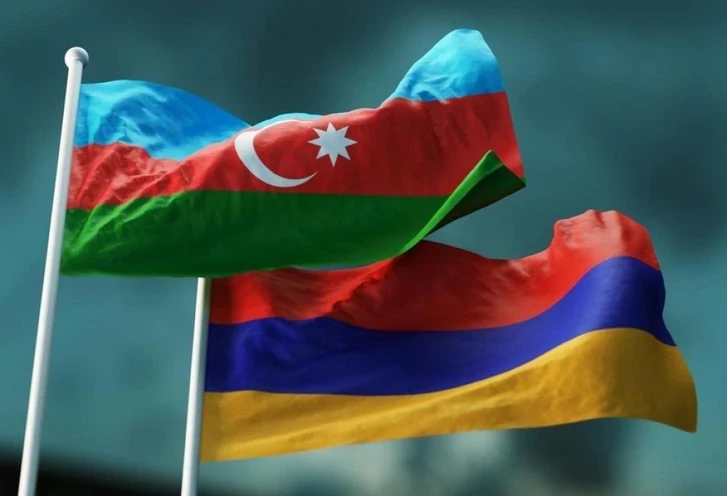
Azerbaijan’s decision to lift all restrictions on the transit of goods to Armenia is being hailed as one of the most tangible steps yet toward lasting peace in the South Caucasus.
Speaking alongside Kazakh President Kassym-Jomart Tokayev, President Ilham Aliyev announced that Azerbaijan has fully opened transit routes to Armenia, which had been closed since the occupation period.
“The first shipment was Kazakh grain bound for Armenia. This is a good indicator that peace between Azerbaijan and Armenia is now not just on paper but in practice,” Aliyev said.
Stay Ahead with Azerbaijan.usGet exclusive translations, top stories, and analysis — straight to your inbox.
Armenian Prime Minister Nikol Pashinyan responded with appreciation, calling the move “an extremely important step.”
“I want to express my gratitude to President Aliyev for this decision,” Pashinyan said, also thanking Tokayev and Georgian Prime Minister Irakli Kobakhidze for their roles in facilitating the agreement.
He added that Armenia is now ready to open transit between Azerbaijan and Turkey via its territory.
Experts See It as a Confidence-Building Move
According to Russian South Caucasus analyst Konstantin Tasits, reopening transit routes is a key element of the 2020 trilateral statement and reflects the logic of regional peace.
“Restoring transport links and economic cooperation benefits all sides. For Azerbaijan, this means new revenue and strengthened trust with Armenia. If this trend continues and a peace treaty follows, the region could see major economic growth,” Tasits told Media.az.
Political analyst Mikhail Neyzhmakov noted to Media.Az, that the move also carries domestic significance for Armenia.
He said Pashinyan can now demonstrate “practical results” from talks with Baku, potentially improving living standards through cheaper imports – though opposition groups warn that open trade could hurt local producers, particularly in agriculture.
“If regional transport normalization becomes long-term and stable, it could even reshape Armenia’s political landscape,” Neyzhmakov added. “A new class of business leaders connected to regional trade might emerge and advocate for closer ties with Baku and Ankara.”
From Paper Peace to Practical Cooperation
Analysts agree that Azerbaijan’s decision is more than a symbolic gesture. It marks the beginning of a new, pragmatic phase – one where roads and railways may do more for peace than years of negotiations.