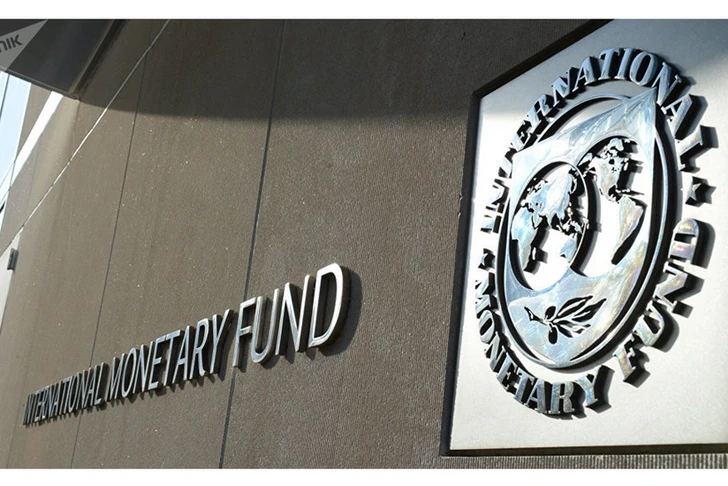
The International Monetary Fund (IMF) has revised its economic outlook for Azerbaijan, forecasting that the country’s GDP growth will slow to 3% in 2025, down from 4.1% in 2024, according to the Fund’s October World Economic Outlook report, titled “The World Economy in Uncertainty: Outlook Remains Gloomy.”
The new projection is 0.5 percentage points lower than the IMF’s April forecast. The Fund expects Azerbaijan’s GDP to expand by 2.5% in 2026, maintaining the same rate through 2030.
The Azerbaijani Ministry of Economy projects similar figures – 3% growth in 2025 and 2.9% in 2026 – while official data show the economy grew 1.3% year-on-year in the first nine months of 2025.
Diverging Forecasts from Global Institutions
Forecasts from major rating agencies and financial institutions differ notably:
S&P Global: 2% annual growth in 2025–2026
Fitch Ratings: 3.5% in 2025 and 2.5% in 2026
Moody’s: stable at 2.5% annually
Asian Development Bank (ADB): 2.4% in 2025 and 2% in 2026
European Bank for Reconstruction and Development (EBRD): 2% in 2025, 2.5% in 2026
World Bank: 2.6% in 2025 and 2.4% in 2026
Inflation Outlook: Gradual Decline Ahead
The IMF expects average annual inflation in Azerbaijan to reach 5.7% in 2025, fall to 4.5% in 2026, and stabilize at 4% by 2030 – unchanged from its April estimates.
The Ministry of Economy anticipates inflation of 5.4% this year, declining to 4.3% next year, while the Central Bank of Azerbaijan projects 5.7% in 2025 and around 5.3% in 2026.
Other institutions offer varied projections:
UN: 3.6% in 2025, 3.1% in 2026
World Bank: 2.3% for both 2025 and 2026
ADB: 4.2% in 2025, 3.5% in 2026
ING Group (Netherlands): 5.5% in 2025, 5.3% in 2026, rising sharply to 8.9% in 2027
S&P Global and Moody’s: 4% in 2025, 3% in 2026
Fitch Ratings: 5.3% in 2025, 4.6% in 2026
For comparison, Azerbaijan’s inflation averaged 2.2% in 2024 and reached 5.7% in January–September 2025.