Analysis by Farhad Mammadov (@mneniyefm)
BAKU, Oct. 1, 2025
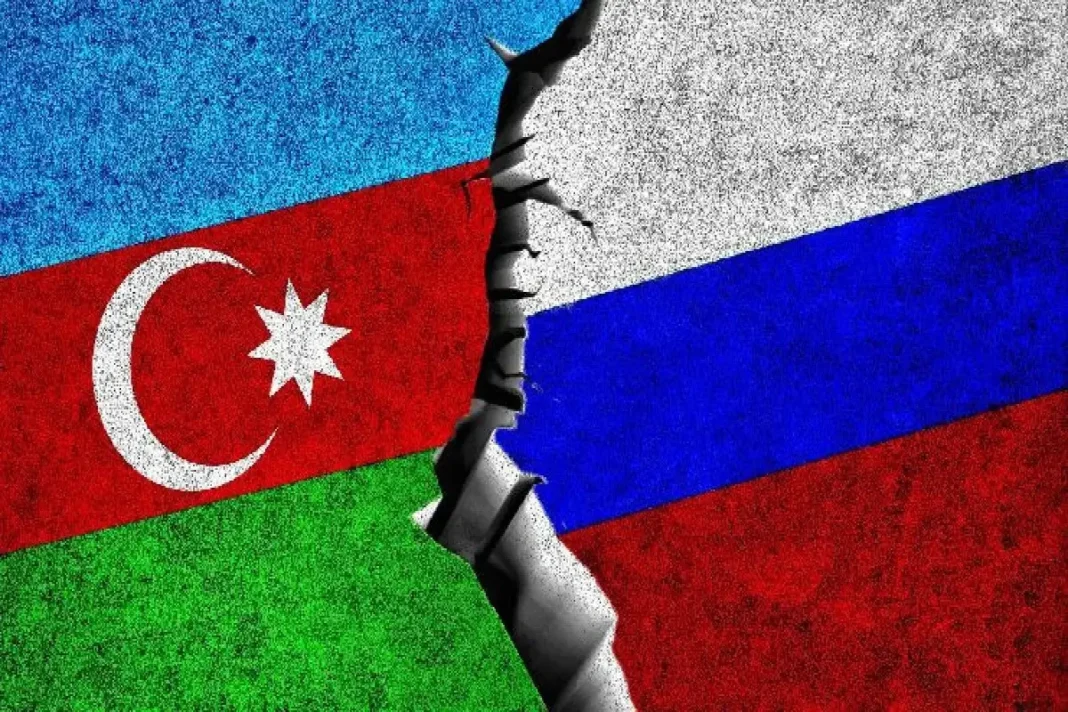
A return to the pre-crisis status quo in Azerbaijani-Russian relations appears out of reach. The downing of an AZAL aircraft by Russian forces and Moscow’s reaction to the tragedy triggered a steep deterioration in ties. What is emerging now, according to analysts, are the contours of a “new normal” in which economic pragmatism may survive while politics and humanitarian ties weaken.
What Was Lost
Until recently, the relationship featured regular high-level dialogue: leaders met several times a year, spoke by phone, and coordinated closely on bilateral issues. Baku and Moscow often aligned their positions on international platforms, avoiding moves that might provoke one another.
Economic cooperation covered three pillars: trade turnover, strategic projects such as the North–South transport corridor and energy, and mutual investments. Military-technical cooperation, once an important element, effectively ended after February 2022.
The humanitarian dimension – from Russian communities in Azerbaijan to Azerbaijani migrants in Russia, as well as the widespread use of the Russian language – added emotional depth to ties.
What Is Emerging
Today, high-level political dialogue has largely collapsed. Over the past six months, the presidents exchanged only a brief greeting; substantive contacts have been relegated to deputy prime ministers through the intergovernmental commission. This, observers note, illustrates the depth of the rupture and signals a shift to new terms of engagement.
Symbolic markers loom: October 7, President Vladimir Putin’s birthday, when Azerbaijan’s leader traditionally calls; and the year-end CIS summit in Russia, where Ilham Aliyev’s participation may hinge on Moscow’s behavior.
In foreign policy, automatic alignment is gone. Russia is losing priority status in Azerbaijan’s external agenda, with ties increasingly funneled through foreign ministries rather than parliamentary channels.
The economy may now become the anchor of relations, provided ethnic-based pressure on Azerbaijanis in Russia is curbed. Trade remains mutually beneficial, and both sides retain interest in strategic projects. President Aliyev recently noted that the North–South corridor could even run through the Zangezur route, underlining Baku’s leverage.
The humanitarian sphere has suffered most. With the closure of Russian cultural outposts in Baku and Moscow’s tougher migration policies, rebuilding trust looks unlikely. Confidence-building steps, such as releasing detained citizens on both sides, could help stabilize the situation, but much damage is already done.
The Road Ahead
Analysts argue that the “new normal” requires compartmentalization: insulating economic cooperation from political rifts and humanitarian disputes. Without such autonomy, any incident could trigger further collapse.
A decisive moment will come by year’s end, when clarity is expected on the plane crash investigation. If Moscow meets Baku’s expectations for accountability, the crisis could be contained. If not, Azerbaijan may escalate the matter to international courts, hardening the rupture.
For now, the likely trajectory is sustained economic engagement alongside minimal political dialogue and eroded cultural ties. What once bound the relationship emotionally now risks fueling friction. The durability of this new framework will depend on whether both sides can set clear limits – and accept reduced expectations – in managing a fragile but necessary partnership.