Baku, September 23, 2025
After seven years of tax holidays, Azerbaijan’s non-oil private sector faces a critical question: will the income tax return in 2026?
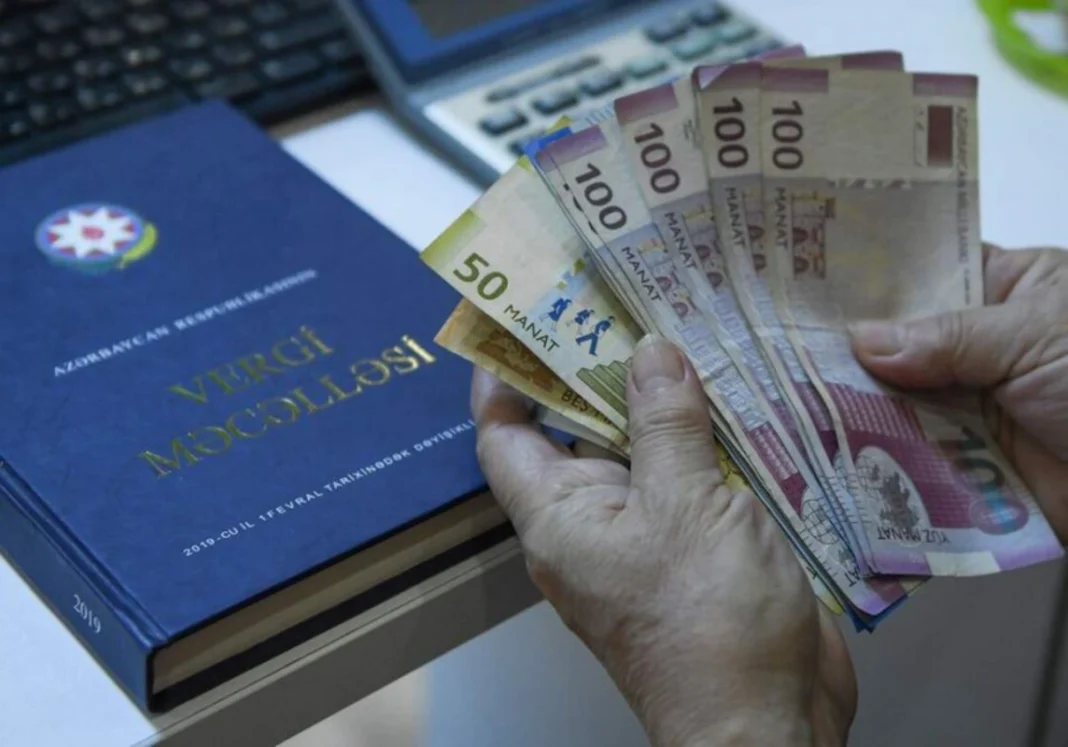
The moratorium, introduced in 2019 to pull wages out of the shadows, has supported entrepreneurship and boosted formal employment. Official statistics show nearly 1.78 million people now work under registered labor contracts – a significant rise compared with pre-reform years.
Experts credit the tax break with improving compliance and easing pressure on small and medium businesses. But with the exemption set to expire, debate is intensifying.
Former finance minister Fikret Yusifov told Kaspiy newspaper, that the government has yet to finalize its position, though state budget forecasts already anticipate a nearly 30 percent jump in income tax revenues next year.
Economist Eldaniz Amirov believes the surge cannot be explained by wage growth, job creation, or inflation alone.
“The likeliest explanation is that the tax holiday will be lifted, meaning all wages in the non-oil private sector will again be subject to 14–25 percent tax,” he noted.
If the moratorium ends, both workers and employers will shoulder new costs. Some firms may raise salaries to offset the burden, while others could cut staff to manage expenses.
MP Vugar Bayramov warns against driving businesses back into the shadow economy and advocates gradual taxation instead of an abrupt shift.
The government now faces a delicate balance: ensuring steady revenues without undermining the transparency gains and business growth achieved over the past seven years.