Baku, September 22, 2025
The head of Azerbaijan’s Land Transport Agency, Anar Rzayev, says shortcomings in the capital’s bus network and a flood of private cars are at the heart of Baku’s growing congestion crisis.
Bus Fleet Too Small, Too Old
Speaking at a press conference, Rzayev noted that 27 bus companies currently operate in Baku, with a combined fleet of 2,300 vehicles, Caliber.Az reports. Five of the largest carriers own 58 percent of the fleet, with an average bus age of seven years. For the smaller operators, the average age is 12 years.
Overall, the city requires at least 2,800 buses to meet demand, he said. At present, 17 percent of Baku residents still have limited access to bus services.
“Falling bus ridership undermines public confidence in the system,” Rzayev explained. “As a result, passengers turn to taxis and private cars.”
300,000 Cars Enter Daily
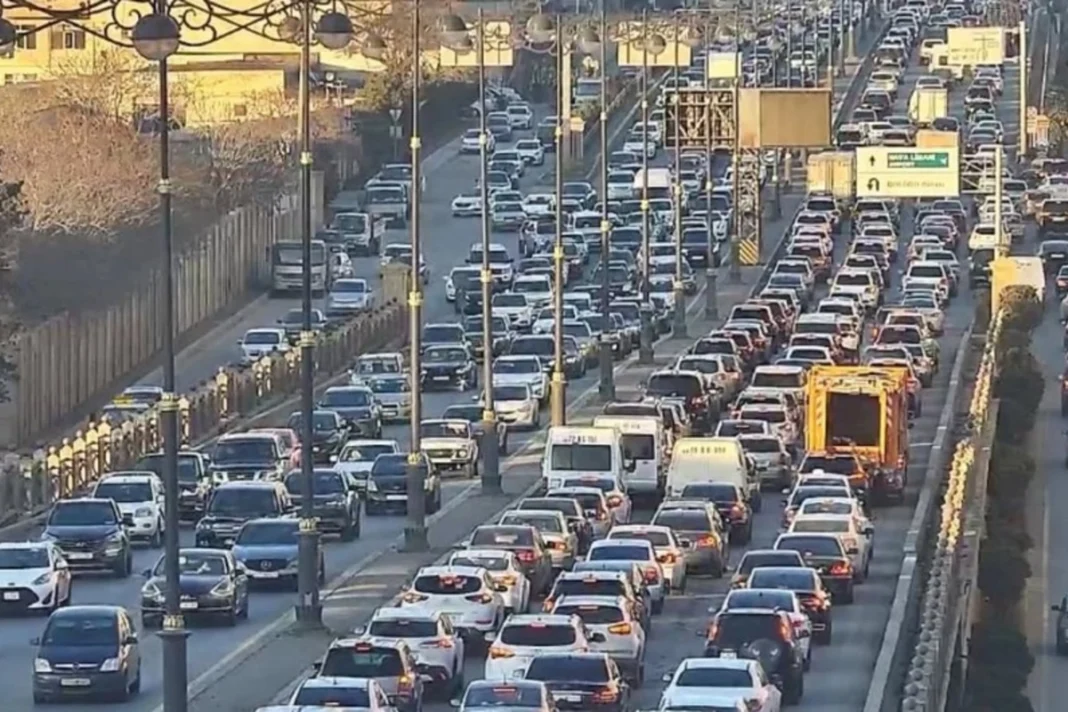
That shift is straining Baku’s streets. More than 300,000 cars enter the capital every day, Rzayev revealed. Of those, 100,000 arrive from Khirdalan and Sumgait, and another 200,000 from Baku’s suburban settlements.
The surge in vehicles not only causes traffic jams but also slows public transport, clogs lanes for micromobility, worsens pollution, and raises noise levels.
International Solutions
Rzayev pointed to global practices such as congestion pricing – paid traffic zones in major cities – as possible tools to reduce the number of cars entering central Baku.