Baku, September 21, 2025
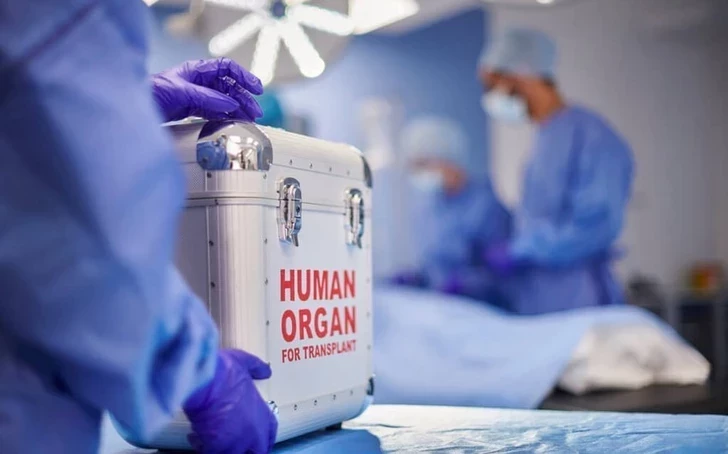
In the first half of this year, Azerbaijan carried out 174 organ transplants, ranging from kidney and liver operations to bone marrow and corneal transplants. Some procedures were performed on children, others on adults.
While organ sales are strictly criminalized, any healthy adult citizen can donate an organ voluntarily under tight medical and legal safeguards. But the law makes clear exceptions: minors, people with psychiatric conditions, prisoners of war – and prison inmates.
Lawyer Aytaj Gurbanova explained to Bizim.Media that inmates are excluded because their consent cannot be considered fully free.
“Conditions of imprisonment can create pressure and influence a person’s decision. Since organ donation involves giving up part of the body, it must only be done voluntarily and in free circumstances,” she said.
The rule mirrors international human rights standards. Both the European Convention on Human Rights and UN principles stipulate that consent given under coercion or in restricted freedom is invalid.
Many countries, including the United States, Germany, and France, ban prisoner donations outright. Others allow it only under strict oversight by independent commissions and rights monitors.
By following this approach, Azerbaijan aligns with – and in some respects exceeds – global standards. The guiding principle, experts say, is simple: a person who is not free cannot make a truly free decision.