Baku, September 20, 2025
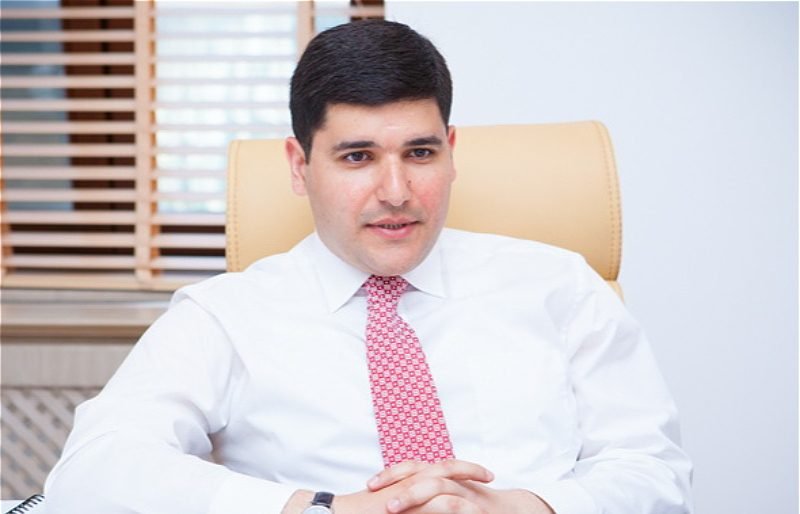
Former head of Azerbaijan’s Center for Strategic Studies Farhad Mammadov said the Washington meeting on 8 August created a de-facto framework for peace between Azerbaijan and Armenia, even as a full treaty is still being finalized.
Speaking on YouTube’s Daily Europe Online, he said the sides have effectively committed to non-use of force during disputes and will need to spell out enforcement and anti-separatism provisions after the accord is signed.
Mammadov argued that U.S. engagement—personally fronted by Donald Trump – “added momentum,” softened rhetoric from Russia and Iran, and drew the EU deeper into practical work on transport links. But he stressed the agenda is set by Baku and Yerevan, not by outside powers.
On connectivity, he said Armenia has “realized the train is leaving” and is rushing legal work for openings, including the TRIPP route in the south and a northern rail segment where Russian firms could participate. He sees the main overland corridors coming online between 2028 and 2030.
Addressing symbolism in the region, Mammadov called Armenia’s recent removal of Mount Ararat imagery from a state stamp a “battle of symbols,” framing it as Prime Minister Nikol Pashinyan urging society to “accept its geography” – that Aragats, not Ararat, is Armenia’s highest peak—so as not to provoke neighbors.
Mammadov said Azerbaijan avoided any forceful bid for a corridor because it would have undercut the country’s strategy to deepen ties with European markets and expand SOCAR investments. With Russia’s role in Europe shrinking, he expects sustained demand for Azerbaijani oil and gas over the medium and long term despite the green transition.
He also claimed the wave of negative coverage of Azerbaijan in Western media has ebbed because “the funding for anti-Azerbaijan propaganda stopped” – alleging past support networks via donors and NGOs.
On Georgia, Mammadov urged a non-interference approach and a reset in EU–Tbilisi relations “without punitive steps” such as suspending visa-free travel.
Discussing the Russia – Ukraine war, he predicted no near-term breakthrough, describing recent drone and missile incidents over Poland and Romania as Russia “testing” NATO’s Article 5 boundaries. Any top-level meeting, he said, would require full preparation in advance; otherwise it would be risky politically even for Trump.
“We’re creating our own case,” Mammadov said of the South Caucasus peace track. “The war ended, a political frame emerged – and now the task is to turn it into systems that work.”

