Yerevan, September 16, 2025
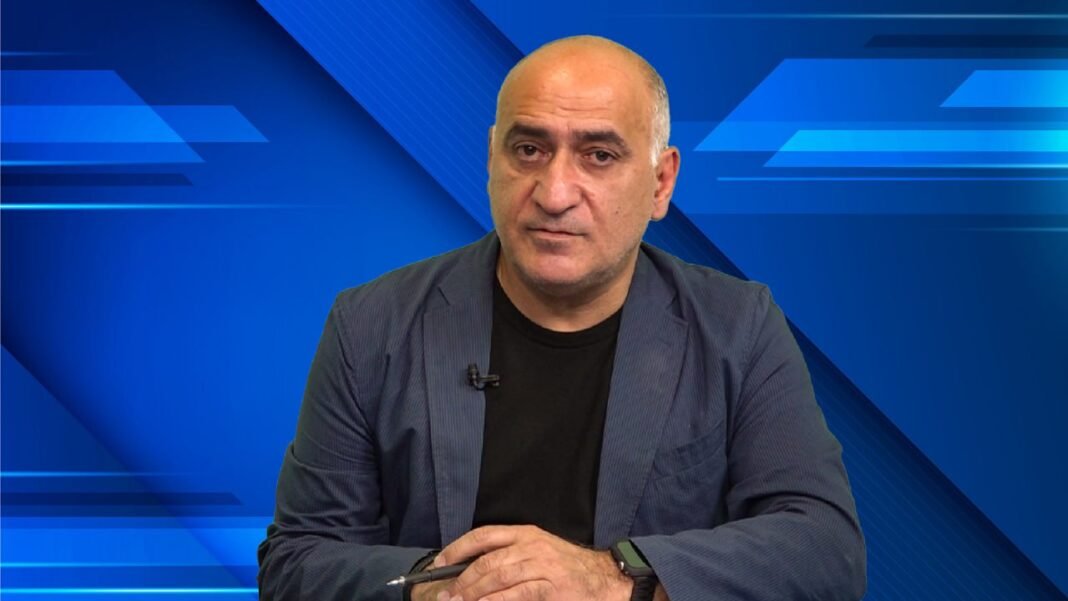
Armenian political figure Vladimir Poghosyan questioned the durability of the country’s security arrangements and rejected Prime Minister Nikol Pashinyan’s recent claim that he has “brought peace,” speaking in a forthright interview on the YouTube channel Noyan Tapan.
Drawing a parallel with Neville Chamberlain’s 1938 declaration, Poghosyan argued that signatures alone do not ensure safety and warned that Armenia risks strategic complacency.
Stay Ahead with Azerbaijan.usGet exclusive translations, top stories, and analysis — straight to your inbox.
Poghosyan maintained that Azerbaijan continues to press claims and expand its military capabilities. He contended that Baku’s real defense spending likely exceeds headline figures through off-budget purchases and offshore vehicles.
Citing conversations with Azerbaijani officers after the 2020 war, he said the underlying conflict drivers persist, while Turkey’s role on and around the frontier remains significant.
A central target of his criticism was a draft proposal to reduce compulsory military service from 24 to 18 months beginning in 2026. Poghosyan called the plan a “hidden downsizing” that Armenia “cannot afford” given unfavorable demographics and a tense security environment.
With warfare becoming more technical and training-intensive, he argued the armed forces need more time under arms, not less, and accused the government of substituting photo-op training for rigorous preparation. He also complained of pay disparities that, in his telling, favor police over frontline troops.
Beyond force structure, Poghosyan insisted that “no army wins without powerful intelligence and counter-intelligence.” He urged clearer separation and professionalization of Armenia’s services and argued for legal authority to act against external threats abroad. Security bodies, he said, should formally warn the political leadership when policies increase risk; otherwise future negligence claims could follow.
On diplomacy, Poghosyan supported dialogue with Turkey but only “without preconditions,” rejecting any linkage to normalization with Azerbaijan or corridor concepts. He referenced what he described as longstanding Turkish contingency planning toward Armenia and warned that negotiating “from a subordinate position” would erode statehood.
He further cautioned against a rapid opening to trade with Azerbaijan, noting that a non-WTO partner can deploy subsidies and selective tariffs that could undercut Armenian producers.
Poghosyan closed by arguing that Armenia should pursue a largely independent line in security and leadership choices, resisting outside “kingmaking” whether from the United States, the European Union, or Russia. His remarks highlight a widening domestic divide over how fast – and on what terms – Yerevan should move on normalization and defense reform, as parliament prepares to debate service-term changes and the government continues to court regional agreements.

