Shusha, September 14, 2025
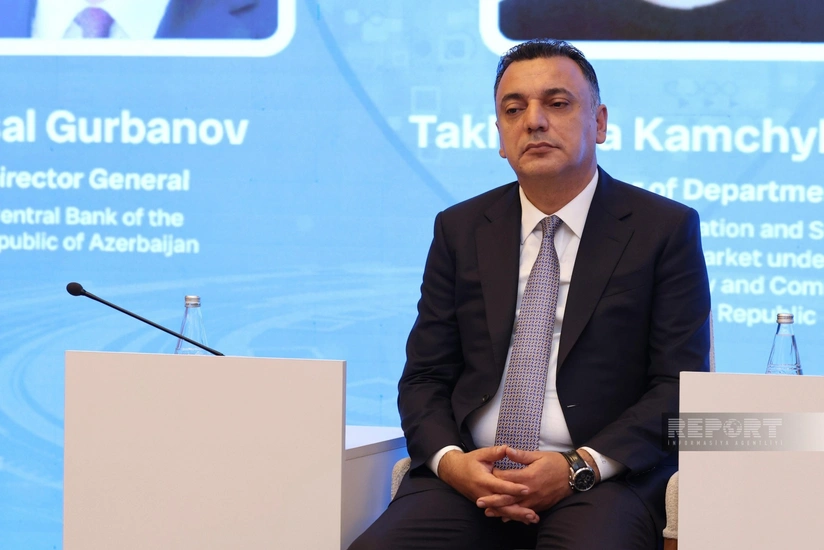
The Central Bank of Azerbaijan (CBA) has identified risk-based regulation and supervision as key tools for strengthening the country’s insurance sector, CBA General Director Vusal Gurbanov announced at the first Assembly of the Union of Turkic World Insurers in Shusha.
Risk-Based Oversight and Corporate Governance
Gurbanov said to Report, that the main condition for building trust in the insurance system is its stability. “Financial resilience depends heavily on insurers’ corporate environment. Without it, neither a sustainable system nor fair treatment is possible,” he stressed. Corporate governance, financial stability, and transparent communication are being prioritized, with insurers already adopting international governance standards.
Expanding Insurance Coverage
The CBA also views expanding insurance penetration as a central priority. “Insurance traditions must be built. People should understand risks and accept insurance as a protection tool,” Gurbanov said, noting joint awareness efforts with the Azerbaijan Insurers Association and the Compulsory Insurance Bureau.
Draft Law on Compulsory Property Insurance
A primary draft law on compulsory property insurance has been prepared, aimed at shifting catastrophic risks from the state to the private insurance sector. This includes fire, explosion, and other social risks. The law is designed to reduce the state’s fiscal burden while ensuring faster compensation mechanisms.
Currently, compulsory insurance in Azerbaijan is regulated under the Law on Compulsory Types of Insurance, covering property, motor liability (OSAGO), liability linked to property use, and personal accident coverage for passengers.
Earthquake Risk Model in Testing
Gurbanov also announced that Azerbaijan is testing a new earthquake insurance model developed in cooperation with Turkey. Based on seismic maps and risk modeling, the system will estimate the economic and material consequences of possible earthquakes and provide more accurate risk assessments for both the state and insurers.

