Yerevan — Sept. 9
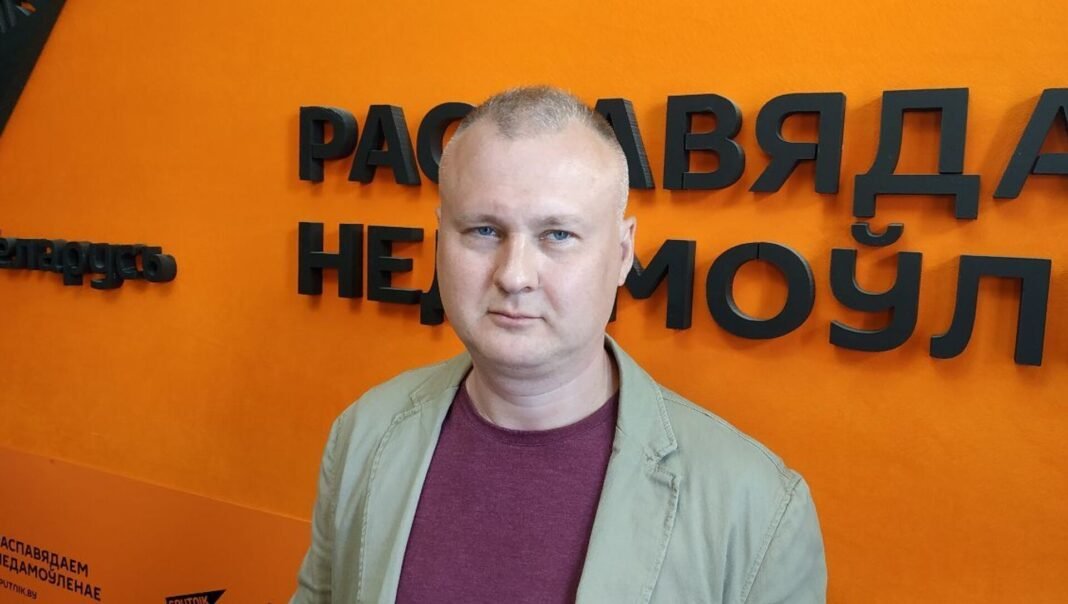
A new collective center of global power is taking shape, led by Russia, India and China, but the South Caucasus appears to be moving in the opposite direction, political analyst Vladimir Kireev said in an interview with Sputnik Armenia.
According to Kireev, the decision at the recent Shanghai Cooperation Organization (SCO) summit in China not to admit either Armenia or Azerbaijan was “a telling signal” rather than a coordinated snub. “It reflects how the South Caucasus runs against the broader global trend,” he said.
Rise of the Global South and East
Kireev argued that organizations such as the SCO and BRICS embody a new “alternative globalization” driven by the Global South and Global East. Once viewed as peripheral, these countries are now consolidating into a geopolitical hub where Moscow, New Delhi and Beijing act as primary players.
Meanwhile, he said, the influence of the United States, the EU and their allies is visibly shrinking, validating long-standing forecasts that Western dominance would erode. “That time has already come,” Kireev noted.
The Caucasus tilts West, but under Turkish sway
Despite the appeal of Beijing’s model, Kireev said, the South Caucasus continues to orient itself toward the EU and the United States, even as the region is being “absorbed” by a Turkish-Azerbaijani alliance.
He pointed to Israel as one of Baku’s key partners and to Turkey’s role under U.S. and European cover. Britain, he added, has been active in the region, while France has diverged, underscoring rifts within the Western bloc.
The paradox, Kireev argued, is that the long-feared arrival of Turkey in the Caucasus is unfolding now, “with the direct participation of the leadership of Armenia and Azerbaijan.”
Russia’s stake
On Russia’s role, Kireev acknowledged that Moscow understands the Caucasus’ importance but has not acted forcefully. “Control over the region is being contested by openly hostile forces,” he said. The EU, in his view, has taken the most confrontational line, with the South Caucasus potentially serving as a launchpad for pressure on Russia.
A chessboard for great powers
Kireev painted a bleak outlook for the region’s own states. “Economic growth or improved security are not even realistic dreams,” he said, describing Armenia, Azerbaijan and Georgia as pawns on a giant geopolitical chessboard.

