BAKU, September 9
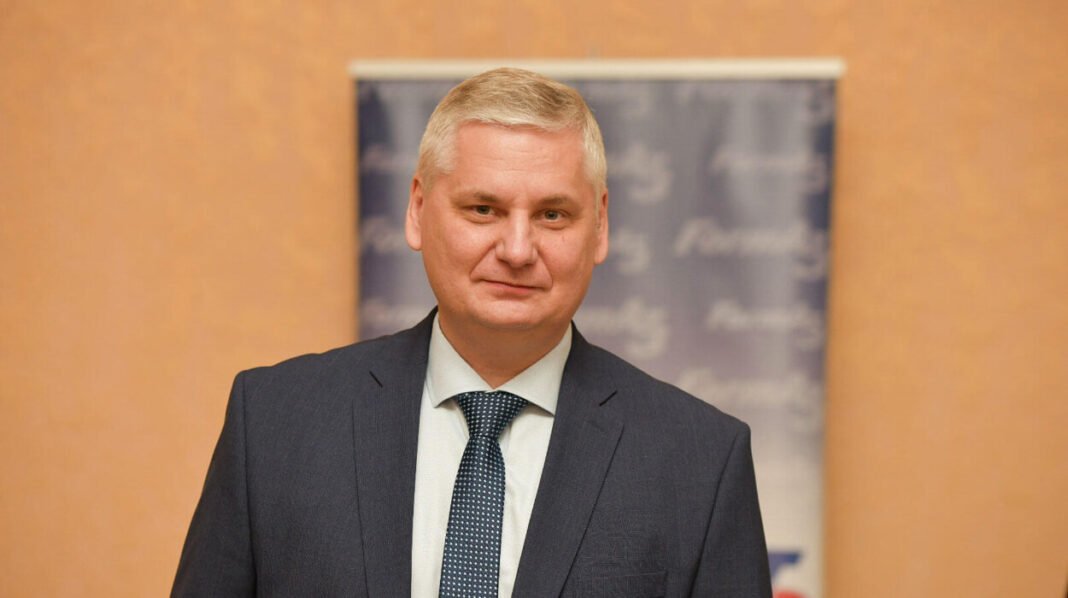
Russian analyst Sergey Markedonov urged Baku and Moscow to manage disputes through quiet, results-oriented diplomacy rather than public sparring, in a wide-ranging interview on Echo Baku’s YouTube channel that touched on the SCO summit, regional history debates, and the Armenia–Azerbaijan peace track.
Speaking with host Mavsud Gajiyev, Markedonov said expectations for a full meeting between Presidents Vladimir Putin and Ilham Aliyev at the recent SCO summit were always tempered by Moscow’s preference to engage only when “there’s substantive ground to advance, not for show.”
The leaders exchanged greetings in China, but no talks followed. He framed the summit as unusually Caucasus-focused, noting Armenia’s formalization of a strategic partnership with China – after Georgia (2023) and Azerbaijan (April 2025).
On the current chill in Russia – Azerbaijan ties, Markedonov argued that both sides have the tools to de-escalate if they lean on established “pragmatic” channels.
He pointed to earlier successes – border work with Russia and resilient trade links – as proof that step-by-step fixes are possible even after crises. Public “hype” and maximalist rhetoric, he warned, harden positions and make settlements harder.
Addressing the fallout from aviation and security incidents, Markedonov said the Kremlin conveyed regret directly and called for finishing investigations and handling compensation outside the spotlight. He cautioned against politicizing tragedies or turning isolated crimes into narratives about entire diasporas: “There is text – and there is context. Don’t instrumentalize one to inflame the other.”
A substantial portion of the interview revisited historical framing. Pushing back on the “occupation” label for the Soviet period and on comparisons between the USSR and Nazi Germany, Markedonov described the 20th-century experience as “sovietization”—a complex process that combined repression and one-party rule with elite integration, national cultural development, and formal statehood within the union. Simplistic binaries, he said, weaken policy by erasing nuance and lived contradictions.
On the Armenia – Azerbaijan track, Markedonov stressed that Moscow is not opposed to peace but wants a settlement that also accounts for Russia’s interests, given the South Caucasus is its immediate neighborhood.
Any “return” of Russian influence, he argued, would be through economic ties and security formats – not a revival of Soviet models. He also flagged external variables: shifts in Washington–Ankara relations or a renewed rights-heavy agenda toward Baku could complicate today’s alignments.
The analyst’s through-line was consistent: manage disputes quietly; avoid theatrics; and recognize that historical narratives shape today’s choices.
“Russia and Azerbaijan have already shown they can move from crisis to cooperation,” he said. “Use the channels that work, keep the temperature down, and focus on outcomes.”

